REVIEW · TOKYO
Private Tokyo Food Tour – A Journey Through Time Through Food
Book on Viator →Operated by Hello! Tokyo Tours · Bookable on Viator
Tokyo has a serious food brain. This private tour strings together Tokyo’s past, present, and future through 14 tastings, starting in Nihonbashi (Edo-era roots), moving through salaryman-era Ginza/Yurakucho, then ending in Akihabara where food gets techy and playful.
I love that the tour is actually structured around ingredients and flavor logic, not just random bites—starting with dashi basics (katsuobushi and kombu) and expanding to the kinds of everyday foods Tokyo people eat on the move. I also like the pace: a 5-hour-and-some-change walk with clear stop moments, so you’re fed and informed without feeling sprinted.
The one thing to consider is the format: it’s a food-focused route with two short subway rides that cost extra, plus one included alcoholic drink (a lemon sour). If you don’t do well with fish-based stocks or you’re avoiding alcohol, tell yourself ahead of time so the choices feel comfortable.
In This Review
- Key things I’d zero in on
- Private Tokyo Food Tour Through Time: what you’re really getting
- Nihonbashi bridge to century-old snacks: Edo flavor basics you can taste
- Fukutoku Shrine: food respect, not just food stops
- Ginza and Yurakucho under the tracks: salaryman noodles and skewers
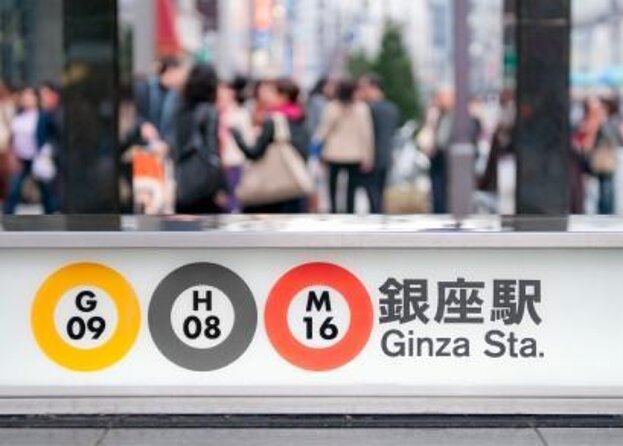
- From Tokyo International Forum to KITTE: modern landmarks between bites
- Tokyo Station commute foods: tamagoyaki and fruits sando
- Akihabara’s future desserts: Pokemon Taiyaki and matcha tech culture
- Price and logistics: is $327.75 worth it?
- Who this tour fits best (and who should think twice)
- Practical tips to make the day feel easy
- Should you book this private Tokyo food tour?
- FAQ
- How long is the private Tokyo food tour?
- Where does the tour start and end?
- Is this tour private or shared?
- How many tastings are included?
- What food and drinks are included?
- Is pickup included?
- Is transport included?
- Do I need a paper ticket?
- How far in advance is it typically booked?
- What is the cancellation policy?
Key things I’d zero in on
- Edo-to-future storyline through food: you taste the continuity and change in Tokyo cuisine
- Dashi training up front: katsuobushi and kelp set the flavor foundation fast
- Old storefronts in Nihonbashi: many shops are over 100 years old, some dating to the Edo period
- Under-the-tracks Tokyo flavor: an izakaya and noodle stop connected to salaryman life
- Tokyo Station commute hits: tamagoyaki and fruits sando are the real “grab-and-go” classics
- Akihabara fusion desserts: tech-subculture sweets like Pokemon Taiyaki plus matcha bubble tea or ice cream
Private Tokyo Food Tour Through Time: what you’re really getting
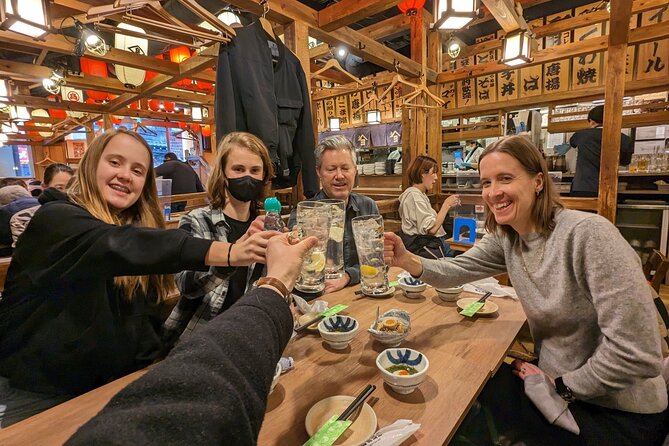
This is a private, 5 hours 30 minutes food tour in Tokyo with a simple promise: you’ll walk through three districts—Nihonbashi, Ginza/Yurakucho, and Akihabara—and the food story will match the time period.
For me, the best part is that the tour teaches you how Japanese flavors work. You start with dashi, the stock behind so many dishes, then move into traditional snacks you’ve likely seen in Japanese food culture forever. Later you’ll hit a more modern rhythm: salaryman-style drinking and noodles, then the department-store-and-commuter food scene around Tokyo Station, and finally Akihabara, where food takes on a playful “future” twist.
You also get practical value that matters in Tokyo. Pickup is offered, and the tour uses a mobile ticket. It’s built for your party only, so you’re not getting shuffled into a large group rhythm that doesn’t match your pace.
Price-wise, $327.75 per person sounds steep until you look at what’s included. You’re getting 14 tastings, lunch, and a lemon sour, plus the guide’s food-and-culture storytelling. Transport isn’t fully included—you pay for two short subway rides—but the route is set up so you’re moving efficiently between neighborhood “eras,” not doing random chasing.
You can also read our reviews of more food & drink experiences in Tokyo
Nihonbashi bridge to century-old snacks: Edo flavor basics you can taste
Your day starts in Nihonbashi, and the first big win here is how the tour begins with foundations. Before you eat a bunch of different things, you learn about what makes many Japanese dishes taste like themselves: dashi (a base stock), with a focus on katsuobushi and kelp (kombu).
That matters because once you understand those flavors, everything you taste later clicks faster. You’re not just guessing what you like—you start recognizing why it tastes the way it does.
Then the tour shifts into old-school snack culture—this is where Nihonbashi earns its reputation. You’ll try traditional items that have been eaten for generations, including:
- Satsuma-age (fried fish cake)
- Amazake (a fermented rice drink)
- Imo kenpi (sweet potato chips)
- Daifuku (glutinous rice mochi with sweet filling)
A nice detail: the shops are described as carefully chosen and mostly 100+ years old, with several dating back to the Edo period. That gives your eating a sense of place. Even if you’re not a museum person, it’s satisfying to stand in the kind of storefronts that have served the same neighborhood for generations.
What to watch for at this stop: dashi and fish-based components are part of the flavor training here. If you’re sensitive to seafood flavors, that doesn’t automatically ruin the tour, but it does mean you should plan mentally so you can enjoy it rather than “hope it’s not fishy.”
Fukutoku Shrine: food respect, not just food stops
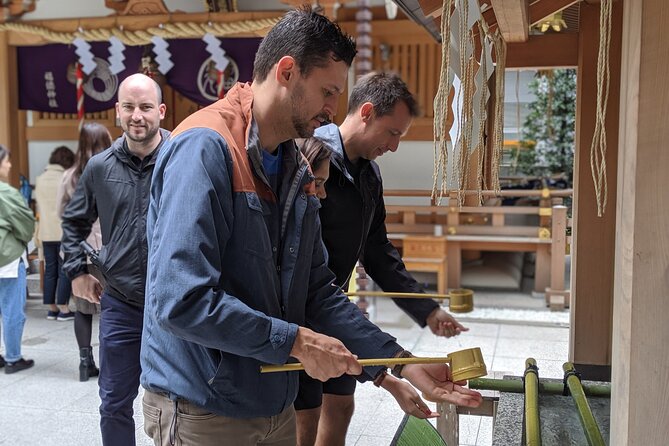
After Nihonbashi, you make a short stop at Fukutoku Shrine. This isn’t a long detour. It’s around 10 minutes, but it adds a useful layer: you’ll learn how shrines and temples differ, plus how people cleanse their spirit and pray at a shrine.
Why this matters on a food tour: Japanese cuisine isn’t just technique and ingredients—it’s also manners and mindset. Even a quick shrine moment can make the rest of the tastings feel more grounded, especially when the tour later jumps into everyday “workday Tokyo” eating.
Practical note: with a shrine stop, you should be ready for a quick change from street snack energy to a calmer, respectful pace. Comfortable walking shoes still matter more than fancy clothes here.
Ginza and Yurakucho under the tracks: salaryman noodles and skewers
From there, the tour moves toward Ginza/Yurakucho, and this part is all about how Tokyo eats when workdays rule your schedule. The story you get is centered on industrialization and the rise of salarymen, which connects to places where people grabbed food and drinks before heading home.
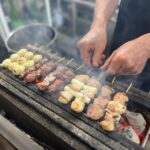
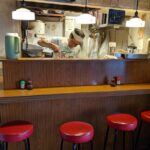
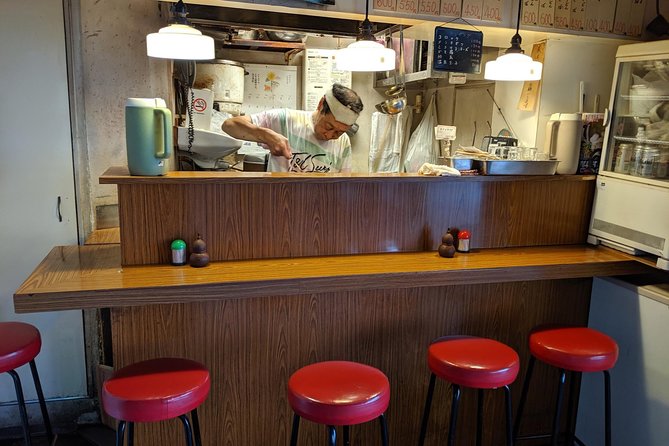
You’ll eat like that too. The tour includes an izakaya-style stop and a noodle stall setting connected to railway life under the tracks. The menu you’re offered includes:
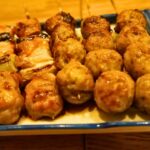
- Yakitori (grilled meat skewers)
- A lemon sour (a Japanese alcoholic drink)
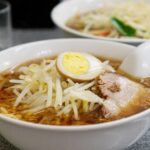
- Tempura soba or curry udon (noodle soup dishes)
This is one of the most satisfying stretches because it’s not just “taste one bite.” It’s a meal-style flow. You’ll feel the contrast between earlier classic snacks and this hearty, salty, everyday comfort food.
One consideration: the included lemon sour signals alcohol is part of the experience here. If you don’t drink, you’ll want to think ahead since the tour’s inclusions list doesn’t mention substitutions.
From Tokyo International Forum to KITTE: modern landmarks between bites
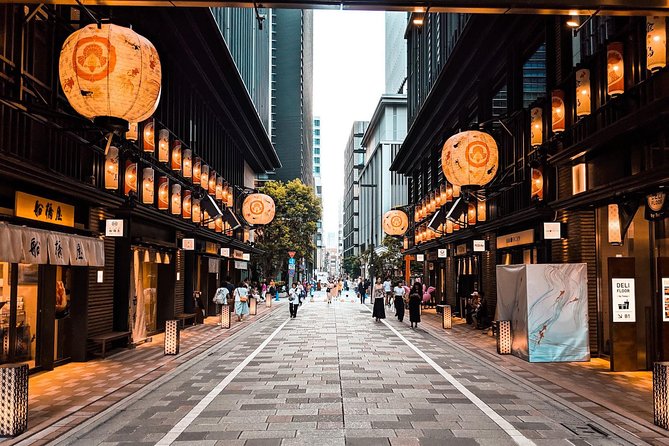
Next, you stroll through a more modern Tokyo corridor. You’ll pass by Tokyo International Forum (around 15 minutes) and then stop at KITTE Marunouchi (around 10 minutes).
These aren’t “spend an hour shopping” stops. They’re time markers in the tour’s past/present/future storyline. Think of them like stations where your guide helps you recalibrate: you just left behind the under-the-tracks, workday feel—now you’re walking into the office, station, and architecture era.
If you like context, these short pauses help you connect the food you’re tasting with the Tokyo that shaped it.
A few more Tokyo tours and experiences worth a look

Tokyo Station commute foods: tamagoyaki and fruits sando
One of the smartest parts of this tour is how it handles the Tokyo Station area. You’ll try foods that are popularly eaten on the way home, and this is where you get two very “Tokyo” hits:
- Tamagoyaki (Japanese omelette)
- Fruits sando (Japanese milk bread sandwich with fresh fruits and whipped cream)
You also get multiple station-adjacent tasting windows (including Tokyo Station Marunouchi Ekimae Hiroba and another stop at Daimaru Tokyo). The pacing here is built for people who want variety without overthinking it.
For me, this segment is a good reminder that Japanese food isn’t only grand restaurants. It’s also vending-lot snacking energy, department-store desserts, and perfectly portable comfort.
What’s great about the fruits sando choice: it’s a dessert that doesn’t feel like a random “sweets just because.” It fits the commuter logic. It’s pretty, it’s easy to eat, and it reflects how Japanese sweets packaging and texture obsession shows up in everyday life.
Akihabara’s future desserts: Pokemon Taiyaki and matcha tech culture
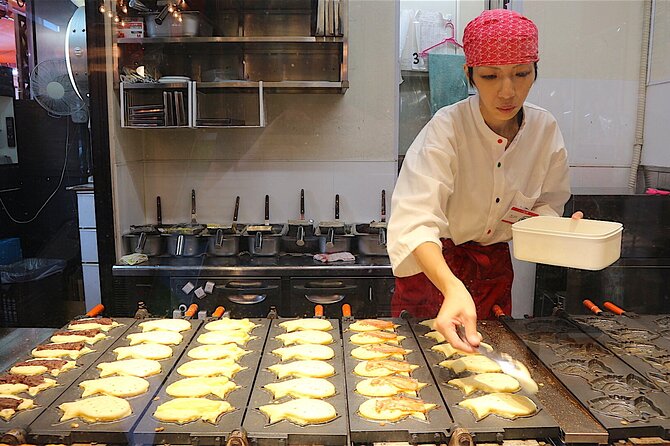
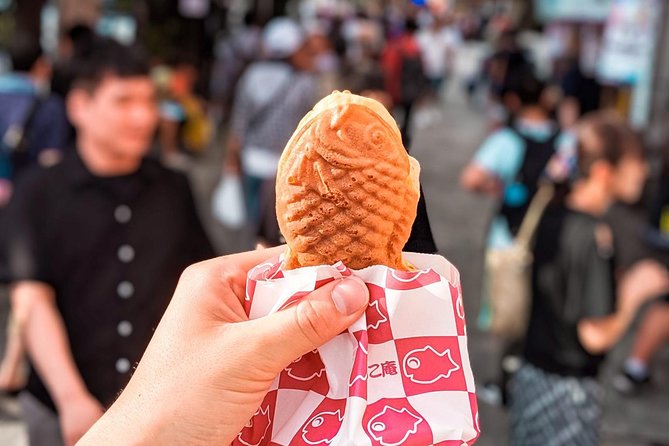
Then comes the ending pivot: Akihabara, the area associated with electronics, maid cafes, and anime culture. This stop is designed around the idea of the future of food in Japan—traditional flavors meeting modern fusion, with desserts that feel like they belong in pop culture.
You’ll try a selection of fusion desserts (the plan includes three fusion desserts) and you’ll discuss why Akihabara has become a key place for new technology, ideas, and subcultures in Japan.
Included favorites in this zone can include:
- Pokemon Taiyaki
- Matcha bubble tea or ice cream
- Plus the mochi-sweet style you may see earlier in the tour as daifuku or dorayaki (depending on what’s offered in your group’s run)
This is the part that works best if you like fun food as much as “serious” food. It’s still Japan. It just shows the lighter, experimental side—where flavors and shapes get playful and techy.
If you’re hoping for purely savory bites at the end, expect more dessert weight here. The tour is shifting tone on purpose.
Price and logistics: is $327.75 worth it?
Let’s talk value in plain terms.
You’re paying $327.75 per person for a private tour. That alone raises the cost compared to group walking tours, but it also changes how you experience the day. Private means your guide can match your group’s pace and interests, and the food flow isn’t interrupted by strangers.
You’re also getting:
- 14 tastings across three major districts and multiple “time periods”
- Lunch that includes yakitori, tempura soba, tamagoyaki, and fruits sando
- A lemon sour
- Pickup offered (big deal in Tokyo, where getting from hotel to station can eat time)
- Mobile ticket for smoother check-in
What’s not included:
- Two short subway rides, which you pay for yourself
If you’re comparing this to piecemeal food sampling on your own, this tour is built to save time. You’re not trying to choose the right old storefront, the right salaryman noodle stop, and the right Akihabara sweets chain while also figuring out where you are in Tokyo. The guide handles the sequence so you can focus on eating and learning.
One more value check: the tour is often booked about 41 days in advance on average. That’s usually a sign it’s popular—especially for people who want a first-day plan that doesn’t collapse into decision fatigue.
Who this tour fits best (and who should think twice)
This tour is a strong match if you want:
- A food day that also teaches you flavor basics like dashi, katsuobushi, and kombu
- A route that covers Nihonbashi → Ginza/Yurakucho → Tokyo Station → Akihabara
- A private guide who can help you navigate Tokyo’s layout (several guides listed for this experience include Yasu, Keiko, Paiva, Miko, and Rohan)
It can be especially good for:
- First-time Tokyo visitors who want structure without missing the big neighborhood themes
- Families who still want real Japanese food and not just street-snack wandering (one family-friendly review highlighted kids enjoying the tour and it being a good jet-lag antidote)
Think twice if:
- You strongly avoid fish-based flavors or aren’t comfortable with dashi-related tasting
- You’re not able to handle a tour that includes an alcoholic drink (lemon sour)
- You hate any walking-plus-subway format, since the plan includes two subway rides and multiple neighborhood transitions
Practical tips to make the day feel easy
Here’s how I’d set yourself up so you get the most out of it:
- Eat lightly before you go. Fourteen tastings plus a lunch-style menu adds up quickly.
- Bring a water plan. You’ll be drinking teas/sours and eating sweets, but water helps keep everything enjoyable.
- Wear shoes you can stand in for a while. Even short stops add up over 5.5 hours.
- If you have dietary limits, plan early. The inclusion list is food-specific (dashi/seafood elements, noodles, fried fish cake). The tour info doesn’t mention special substitutions, so you’ll want to check before booking.
- Know where you start and where you end. You begin at Nihonbashi 1-chome Mitsui Building and finish at Akihabara Station.
Also, you get a clear end point: Akihabara Station. That’s handy if you’re continuing the night on your own.
Should you book this private Tokyo food tour?
Book it if you want Tokyo food with a storyline. The Edo-to-future theme isn’t just marketing fluff here—it’s built into what you taste: dashi and old-school snacks in Nihonbashi, salaryman-era izakaya and noodle comfort in Ginza/Yurakucho, commute treats near Tokyo Station, and playful fusion desserts in Akihabara.
Skip it or reconsider if you want a lighter day, fully self-guided wandering, or you need lots of non-food sightseeing. This is a food tour first, and it’s designed to keep you eating and learning from stop to stop.
If you like practical structure, a private guide, and a route that helps you understand Japanese flavors faster than a stack of restaurant reviews, this one is an easy yes.
FAQ
How long is the private Tokyo food tour?
It runs for about 5 hours 30 minutes.
Where does the tour start and end?
It starts at Nihonbashi 1-chome Mitsui Building and ends at Akihabara Station.
Is this tour private or shared?
It’s private, and only your group participates.
How many tastings are included?
You’ll enjoy 14 tastings.
What food and drinks are included?
Included items cover traditional snacks and ingredients like dashi, katsuobushi, kombu, satsuma-age, amazake, imo kenpi, daifuku or dorayaki, plus items like Pokemon Taiyaki and matcha bubble tea or ice cream. Lunch includes yakitori, tempura soba, tamagoyaki, and fruits sando, and a lemon sour is included.
Is pickup included?
Pickup is offered.
Is transport included?
Transport is not included. You take two short subway rides and pay for them yourself.
Do I need a paper ticket?
You’ll have a mobile ticket.
How far in advance is it typically booked?
On average, it’s booked 41 days in advance.
What is the cancellation policy?
The information provided includes a staged refund window depending on how far in advance you cancel (with no refunds within 48 hours), but it also states the experience is non-refundable and cannot be changed for any reason. Check the exact policy shown at booking for your dates.