REVIEW · TOKYO
Classic Tsukiji Food Tour
Book on Viator →Operated by Arigato Japan KK · Bookable on Viator
Seafood smells, shrine bows, and breakfast in motion. This outer Tsukiji morning walk is built around the market’s working-food culture that goes back more than 100 years, with real vendor chatter and plenty to eat. I like the way it mixes tastings + context, so you’re not just watching fish go by.
Two things I really appreciate: you get a full Tsukiji specialty seafood breakfast at a local eatery, and the guide helps you make sense of what you’re seeing while you sample seasonal bites. One thing to consider: it’s a food-focused tour in a very weather-dependent place, and it’s not recommended for vegans or no-seafood eaters.
In This Review
- Key things I’d plan for
- Outer Tsukiji Morning: What This 3-Hour Walk Really Gives You
- Starting at Turret Coffee Tsukiji: Coffee First, Then the Market Mood
- Tsukiji Hongan-ji and Namiyoke Inari: The Shrines Stop Isn’t Random
- Outer Market Stalls and Seafood Tastings: Eat Like You’re Supposed To
- The Fish-Market Area Walk: What You Can Still See After the Wholesale Move
- Breakfast at a Local Eatery: The Specialty Seafood Meal Included
- Price and logistics: When $231 feels fair
- Who should book this Tsukiji morning, and who should skip it
- Should you book the Classic Tsukiji Food Tour?
- FAQ
- How long is the Classic Tsukiji Food Tour?
- What is the price per person?
- What time does the tour start?
- Where is the meeting point?
- What does the tour include?
- Is this tour suitable for vegetarian or gluten-free diets?
- Is it recommended for vegans or people who don’t eat seafood?
- Do I need cash for the market?
Key things I’d plan for
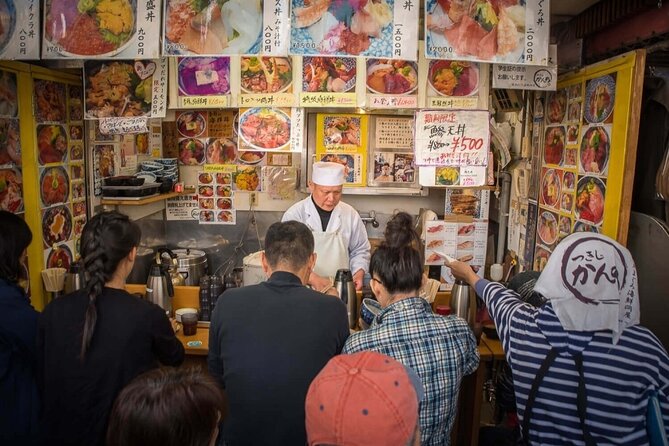
- Turret Coffee Tsukiji start: coffee first, then you’re ready to walk and graze
- Shrine stop rhythm: a quick pause at Tsukiji Hongan-ji and a later bow at Namiyoke Inari Shrine
- Outer-market tastings: seasonal bites from seafood specialists and market stalls
- Small group size (max 10): more chances to ask questions and get helpful pointers
- Breakfast that’s actually part of the tour: not a snack pretending to be a meal
- Cash is smart: credit cards aren’t generally accepted for market purchases
Outer Tsukiji Morning: What This 3-Hour Walk Really Gives You
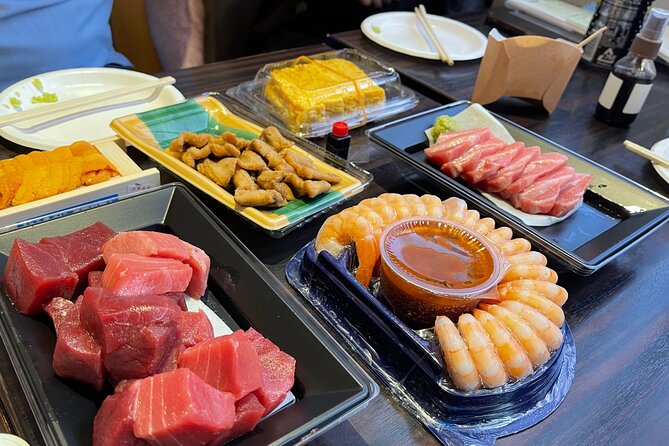
This tour is designed for one simple goal: help you understand how Tsukiji still eats like Tsukiji—even if the big-name wholesale fish action moved. You walk the outer areas, where you’ll still run into seafood specialists, market shops, and casual breakfast counters that feel tied to daily work.
The timing matters. An 8:30am start means you’re there while the area is waking up, but you’re not stuck staring at empty stalls. And the tour structure keeps you moving: coffee, then market walking, then a shrine pause, then more tasting, and finally a sweet finish.
Price-wise, $231 sounds steep until you look at what’s bundled. You’re not just paying for a guide to lead you past stalls. You also get one drink, full Tsukiji specialty seafood breakfast, and guided food tastings. For many first-timers, that combination saves time, reduces guesswork, and helps you avoid the awkward moment of standing in front of food menus you can’t decode.
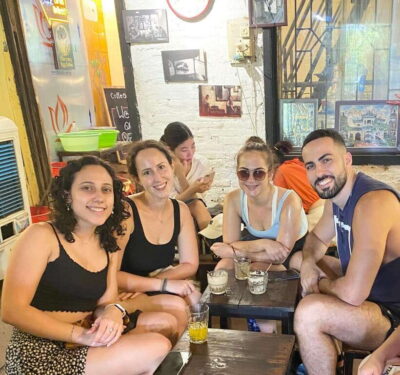
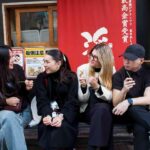
The tour is also capped at 10 travelers, which changes the feel. In a smaller group, you get answers when you ask. You also get pacing that’s easier to handle if you’re traveling with kids or you don’t want to power-walk your way through every corner.
You’ll need moderate physical fitness. It’s walking, and it’s early. Bring shoes that can handle uneven sidewalks and tight market lanes.
You can also read our reviews of more food & drink experiences in Tokyo

Starting at Turret Coffee Tsukiji: Coffee First, Then the Market Mood
The meeting point is Turret Coffee Tsukiji, at 2-chōme-12-6 Tsukiji, Chuo City, Tokyo. You start at 8:30am, and a drink is included—so you’re not trying to hunt for caffeine while jet-lagged and hungry.
I like this kind of start because it solves two problems at once. First, you’re energized before you start walking and tasting. Second, it gives your guide a natural way to set expectations: what you’ll see, what you should notice, and how the market’s food culture works.
Also, coffee is a smart wedge into Tsukiji. People associate Tsukiji with fish, yes. But coffee shops and casual counters are part of the real morning scene too. You get a lived-in neighborhood vibe rather than a museum tour.
Tsukiji Hongan-ji and Namiyoke Inari: The Shrines Stop Isn’t Random
About partway through, the tour includes a short stop at Tsukiji Hongan-ji. It’s brief—think a quick visit and a chance to step out of the food-visual overload. The point isn’t religion-as-entertainment. It’s context.
Tsukiji has long been tied to the rhythms of commerce, work, and community. A shrine visit gives you a mental reset and helps you see that the market isn’t only about transactions. It’s also about tradition and everyday respect—small pauses built into a busy morning.
Near the end, you’ll also visit Namiyoke Inari Shrine. Inari shrines are common across Japan, but this one’s in the Tsukiji area for a reason. You’ll likely get a quick explanation from your guide as you go, and you’ll finish with a sweet Japanese snack afterward.
This shrine rhythm makes the tour easier to enjoy. After multiple tastings, a short cultural pause keeps you from feeling like you’re just stuffing yourself. It also breaks up the walking so your morning doesn’t feel one long line.
Outer Market Stalls and Seafood Tastings: Eat Like You’re Supposed To
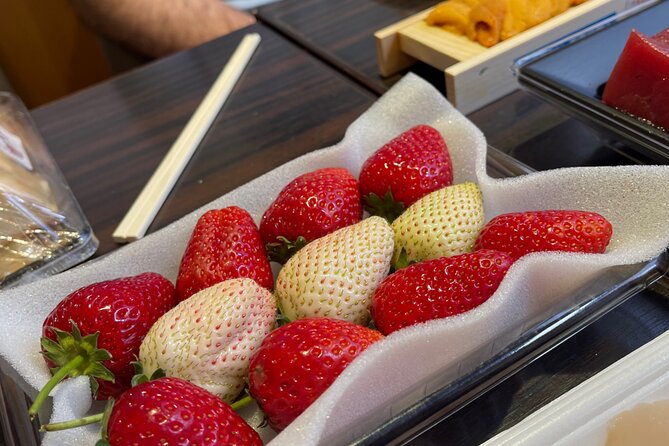
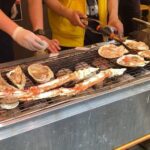
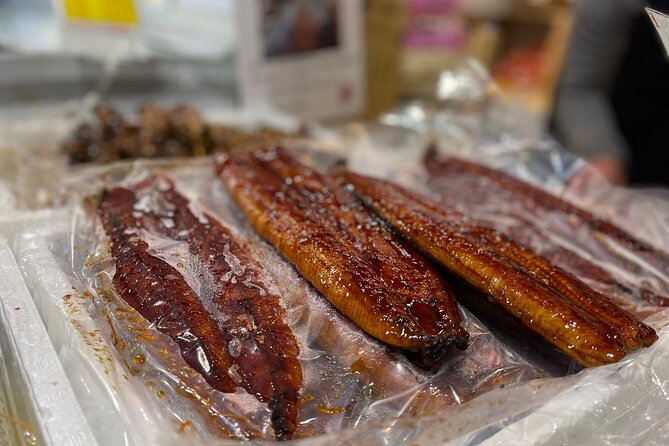
The heart of the experience is walking the outer Tsukiji Fish Market area and sampling what’s seasonal. This is where you’ll meet seafood vendors and traders who’ve stayed in Tsukiji even as parts of the wholesale business changed over time.
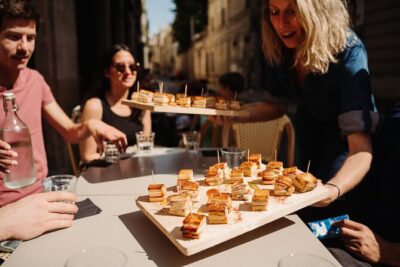
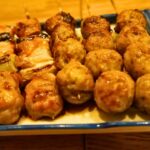
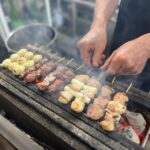
The tour also includes a tasting break with seasonal bites. That matters because market food changes with the day, the supply, and what’s in favor. If you only arrive as a tourist and pick random items, you often end up repeating the same bland souvenirs. A guided tastings route steers you toward what’s actually working right now.
I also like that the tour isn’t only about seafood. The experience is described as covering local dishes and food traditions that go back more than a century. Even if your stomach is focused on fish, you’ll pick up how the local cooking style fits the market—simple flavors, thoughtful prep, and respect for ingredient quality.
One detail I’d file away from the experience: you might even spot blowfish alive. That kind of thing is the reason an early market tour feels different from a restaurant meal. Seeing how seafood is handled (and what’s being worked on) gives you a more grounded picture of Japanese food culture.
Drawback? With tastings, your appetite has to be flexible. You can’t plan to eat a huge lunch right after and expect to feel good. Bring a calm attitude and treat this as your breakfast, not a snack run.
The Fish-Market Area Walk: What You Can Still See After the Wholesale Move
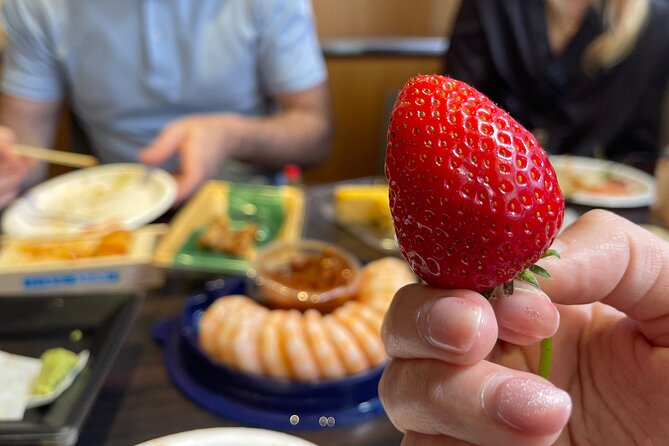
You’ll also spend time in the area connected with the former wholesale fish market. The tour description notes that many people assume the wholesale vendors have moved, but this part of town remains a strong food zone. That’s the key takeaway.
Even if you’ve heard the famous headlines about Tsukiji, this tour helps you see the practical reality: the neighborhood still feeds people every day. You’ll encounter market shops and restaurants that have stuck with the Tsukiji identity, and the tour’s walking route gives you a guided way to understand what’s still going on and why it matters.
This section is also useful for first-timers because it helps you keep your expectations straight. Instead of trying to chase vanished sights, you focus on what’s still active—food counters, specialty shops, and the people who make the market feel like a workplace instead of a postcard.
If you’re hoping for a high-action fish auction every second, you may feel like you’re seeing a different slice than the one that gets photographed online. But for most people, that’s actually an improvement. You get to slow down, taste more, and understand the food culture without feeling like you’re sprinting through chaos.
A few more Tokyo tours and experiences worth a look
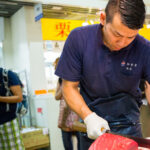



Breakfast at a Local Eatery: The Specialty Seafood Meal Included
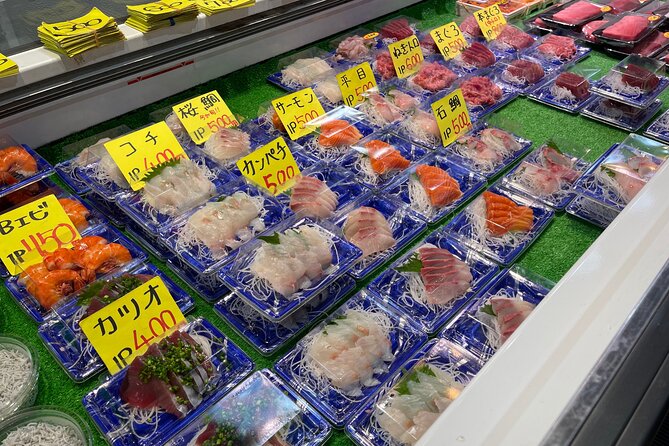
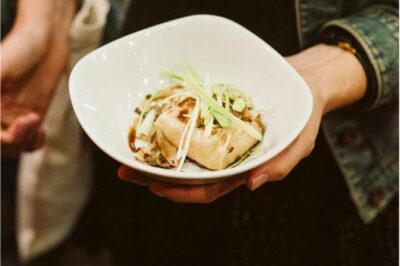
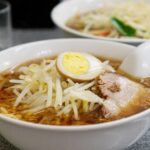
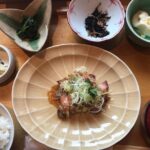
One of the strongest value plays here is the full Tsukiji specialty seafood breakfast included in the tour. You’re not left to guess what to order. You’re not stuck translating menus. And you’re not paying extra on top of the tour price to “eventually” find something good.
A proper seafood breakfast in this area often feels like the best kind of Japan travel: simple, fresh, and lightly dramatic. You’ll also be able to compare it with what you’ve seen in tastings earlier in the morning, which helps you build a mental map of flavors.
The tour is also marked as suitable for vegetarian, pescatarian, and gluten-free diets. That’s a big deal because many market tours struggle with dietary needs. If you’re a pescatarian or gluten-free eater, you’ll still get a meaningful experience rather than just being handed bread and tea.
The flip side is clear: it’s not recommended for vegans and no-seafood eaters. If your diet excludes all seafood and animal products, this one likely won’t meet your needs.
Price and logistics: When $231 feels fair
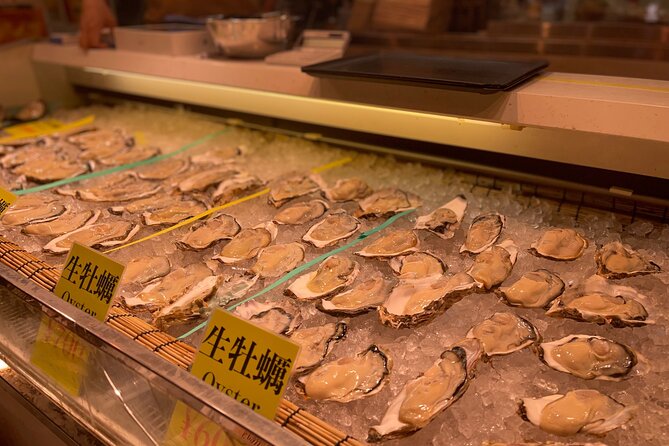
At $231 per person for about 3 hours, you’re paying for several things at once:
- A local English-speaking guide
- A structured morning walk through food-focused areas
- A tasting plan that includes seasonal bites
- A full seafood breakfast plus one included drink
- A group size limited to 10 travelers
If you tried to recreate this on your own, you’d spend money on breakfast anyway, and you’d lose time figuring out where to go, what to order, and what’s worth trying. This tour reduces friction. It also reduces the risk of missing out on key specialties because you didn’t know what to look for.
Logistics tip that can save you stress: if you want souvenirs or extra bites, bring cash. Credit cards are not generally accepted in this kind of market shopping environment.
Also remember that the market has its own calendar, and the tour notes changes may happen due to restaurant schedules, public holidays, weather, and other unforeseen issues. If weather is poor, you’ll be offered a different date or a full refund, so plan with some flexibility.
Who should book this Tsukiji morning, and who should skip it
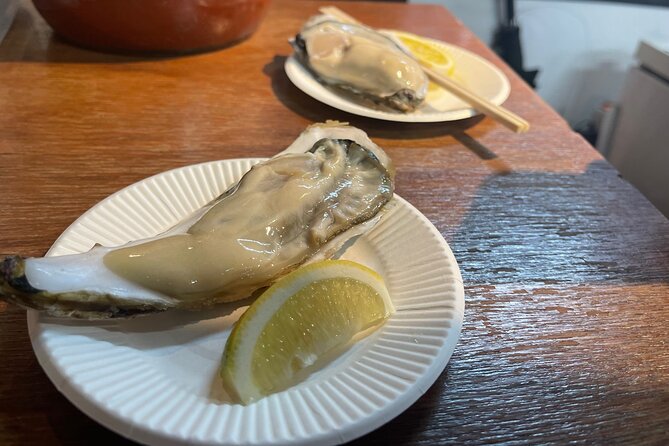
This tour is a good match if you want:
- A first-timer-friendly introduction to Tsukiji food culture
- A guided way to taste without guessing
- A calm, smaller group pace rather than a large crowd crush
- A breakfast experience you can’t easily replicate yourself
It’s also family-friendly. Children must be accompanied by an adult, and for kids 10 and above, a passport information copy is required. If you’re traveling with kids, this can be a more structured way to experience the market than letting them wander on their own.
Skip it if:
- You’re a vegan or you need a no-seafood tour. This is not designed for that.
- You want a mostly visual, sit-down sightseeing experience. This one is hands-on and food-centered.
And if you’re traveling in heavy rain, be ready for the tour to adjust. The experience is stated to require good weather.
Should you book the Classic Tsukiji Food Tour?
I’d book it if you’re the type of traveler who hates wasting morning time. You want to show up hungry, follow a plan, and leave with both memories and a better understanding of the market’s food culture. The included breakfast and tasting structure make it feel like an actual experience, not just a walk.
I’d think twice if your diet eliminates seafood or you’re trying to keep the tour impact very low-energy. It’s a morning walk with tastings, and it assumes you can handle some steady walking.
Bottom line: for many visitors, this is one of the most practical ways to experience Tsukiji’s outer market. You get coffee, you get guided food sampling, you get shrine context, and you get a proper breakfast. That combo is where the value lives.
FAQ
How long is the Classic Tsukiji Food Tour?
It runs for about 3 hours.
What is the price per person?
The price is $231.00 per person.
What time does the tour start?
The tour starts at 8:30am.
Where is the meeting point?
You meet at Turret Coffee Tsukiji, 2-chōme-12-6 Tsukiji, Chuo City, Tokyo 104-0045, Japan.
What does the tour include?
You get one drink included, a full Tsukiji specialty seafood breakfast, and a local English-speaking guide.
Is this tour suitable for vegetarian or gluten-free diets?
The tour lists options for vegetarian, pescatarian, and gluten-free needs.
Is it recommended for vegans or people who don’t eat seafood?
No. It is not recommended for vegans and no-seafood eaters.
Do I need cash for the market?
Yes. If you plan to buy souvenirs or food, bring cash because credit cards are not generally accepted.