REVIEW · TOKYO
Flavours of Tokyo: A Journey Through Time – Small Group Food Tour
Book on Viator →Operated by Hello! Tokyo Tours · Bookable on Viator
Tokyo has a way of mixing eras. This tour follows that idea through food across Nihonbashi, Ginza, and Akihabara, with about 14 tastings that range from dashi foundations to future-themed sweets. I especially like how the stops explain why dishes exist (dashi, shrine customs, postwar bar culture), and I like that the group stays small, capped at 9, so you can ask real questions. The main consideration is the pace and walking: expect about 6.5 km plus stairs, so comfy shoes and a steady stride matter.
You’re not just nibbling on the way to the next landmark. You’re eating while the guide connects flavors to Tokyo’s changing map, from Edo-era ingredients (like kombu and katsuobushi) to modern lunch habits at Tokyo Station and then pop-culture desserts in Akihabara. If you’re the type who wants one full meal after another, this is still satisfying, but it works as samples plus a solid lunch, not an all-you-can-eat binge.
In This Review
- Key highlights you’ll feel from the start
- A Tokyo food timeline you can actually taste
- Small-group limit of 9 and why it matters for eating
- Nihonbashi and the dashi lesson behind every bite
- Fukutoku Shrine: a fast culture reset between food stops
- Ginza and Yurakucho after the war: salarymen-era flavors
- Tokyo International Forum and Kitte Marunouchi as modern waypoints
- Tokyo Station commute snacks: tamagoyaki and fruit sando
- Akihabara desserts and Pokémon taiyaki for future flavor
- How much food you get (and what price buys you)
- Food and drink logistics
- Price and logistics: is $176 worth the 5.5 hours?
- Who should book Flavours of Tokyo
- Should you book this food timeline tour
- FAQ
- Where does the tour start and what time?
- Where does the tour end?
- How long is the tour?
- How many people are in the group?
- Which Tokyo districts do you visit?
- What food and drink are included?
- How many dishes do you try?
- Is transportation included?
- How much walking should I expect?
- Does the tour depend on weather?
Key highlights you’ll feel from the start
- A 3-district Tokyo timeline that links ingredients, customs, work culture, and pop trends
- Small group of max 9 for real conversation instead of a food line
- Dashi focus with the basic building blocks you’ll keep noticing in other dishes
- Tokyo Station commute snacks like tamagoyaki and a fruit-filled fruits sando
- Akihabara future-food treats including Pokémon taiyaki and matcha bubble tea or ice cream
- Guide storytelling that brings context with named stops and a clear past-to-future theme
A Tokyo food timeline you can actually taste
This tour is built around a simple idea: in Tokyo, food doesn’t sit still. It changes with trade routes, neighborhoods, work schedules, and technology. You’ll move through key areas while tasting foods that point to older patterns, postwar habits, and today’s fun, fast, and sometimes playful dessert culture.
The value here is the mix. You’re getting classic flavors you’ll see again in restaurants, plus convenience-store-style items and sweets that feel local to how people actually snack. And you’re not stuck in one neighborhood. The route spreads across Nihonbashi, Ginza (with a Yurakucho stop), and Akihabara, with major landmarks like Tokyo International Forum and Kitte Marunouchi acting as “time jumps.”
You can also read our reviews of more food & drink experiences in Tokyo
Small-group limit of 9 and why it matters for eating
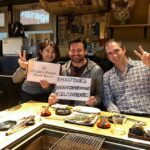
With a maximum of 9 people, this tour has a small-group feel in the practical way: you can hear the guide, ask quick questions, and keep track of what you’re trying. That matters in food tours because Tokyo can overwhelm you fast—menus, signage, and station exits all blur together.
Smaller also helps with pacing. The tour runs about 5 hours 30 minutes, and it includes multiple short stops. You’re not rushing between places with no time to understand what you’re tasting. You get frequent moments to reset, regroup, and keep walking without feeling herded.
Also, names matter. Guides you might get include Yasu, Keiko, Miko, and Paiva (they show up in guide-led experiences). Even if your guide differs, the common thread is clear: they explain both culture and cooking logic, not just what’s on your tray.
Nihonbashi and the dashi lesson behind every bite
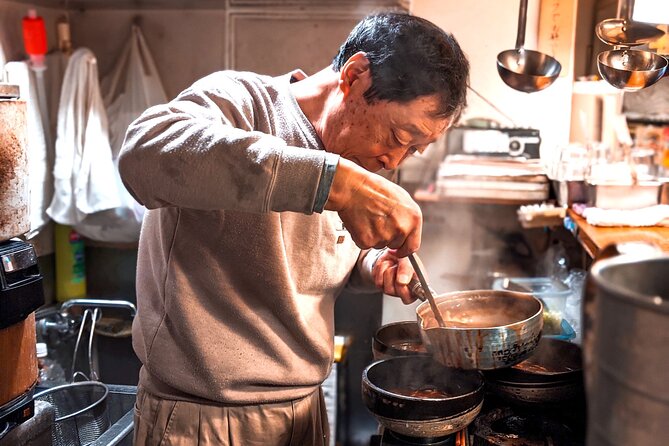
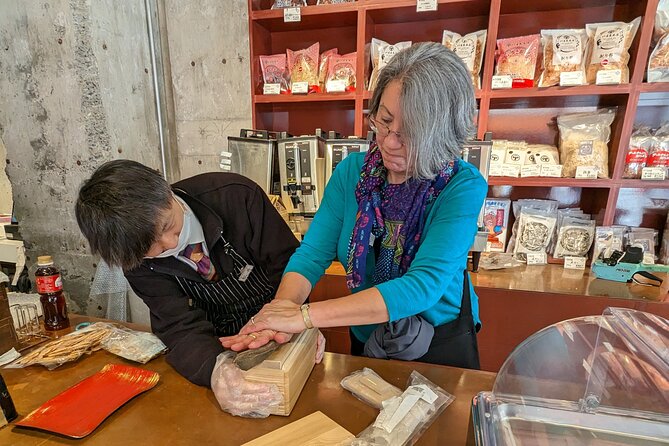
You start in Nihonbashi, a great choice because this area gives you a foundation. The tour begins by talking about key ingredients and flavors that underpin Japanese cooking, with extra attention on dashi, the stock base for many dishes.
You’ll get a real sense of the components that build that flavor profile, including kombu and katsuobushi. This isn’t abstract trivia. Once you understand dashi basics, you start recognizing why so many dishes taste “cozy” and savory even when they’re simple. You’ll also encounter other ingredient-forward snacks that help bridge the Edo-era feel to everyday Tokyo eating.
The stop also includes time around the Nihonbashi Bridge area, which helps you connect food to the physical city story. Tokyo’s food doesn’t come from nowhere. It comes from where trade happened, where ingredients were processed, and where daily routines formed.
Fukutoku Shrine: a fast culture reset between food stops
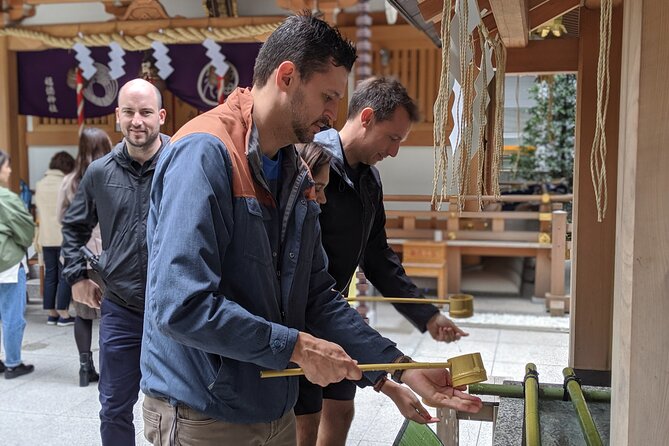
A quick stop at Fukutoku Shrine adds a different kind of context. You learn the difference between shrines and temples, plus how a shrine works for cleansing your spirit and making a prayer.
Why include this on a food tour? Because Japanese food habits are tied to daily life and rituals, not just recipes. Even the way people think about purity, order, and respect influences how meals are approached. This isn’t a long detour, either—about 10 minutes—so it breaks up the walking without eating your day.
If you’re new to the basics, this stop helps you avoid the common mistake of treating shrines as generic photo stops. You get a simple framework you can carry forward.
Ginza and Yurakucho after the war: salarymen-era flavors
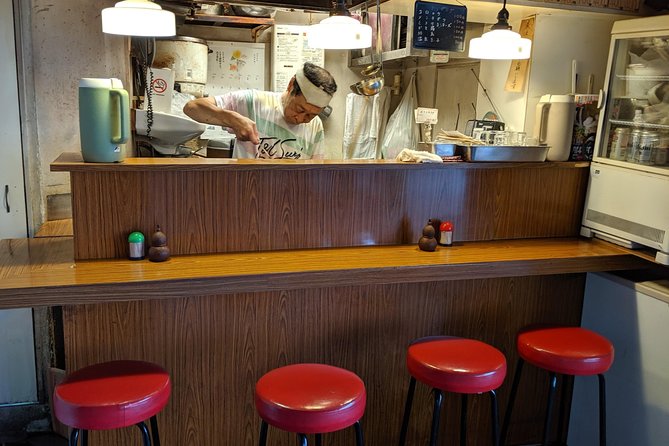
Next up is Ginza / Yurakucho, and this is where the tour leans into modern Tokyo history. The guide talks about how Japan industrialized after the war, and how that shifted daily routines—especially for office workers.
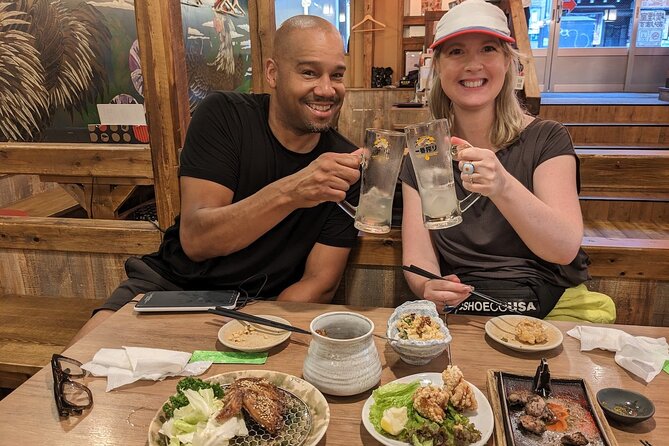
That sets up the idea behind gado shita style small bars and restaurants built under railways. Even if you’ve only heard of Tokyo nightlife in broad strokes, this gives you a clearer picture of why certain food formats exist: quick, local, and built for people who work long hours and still want something comforting.
This section also helps you understand why “small plates” culture is so normal in Tokyo. Many Japanese meals are about balance: taste, texture, and pacing. You’re not always aiming for one big, heavy plate. You’re often mixing salty, sweet, and savory over time.
A few more Tokyo tours and experiences worth a look


Tokyo International Forum and Kitte Marunouchi as modern waypoints
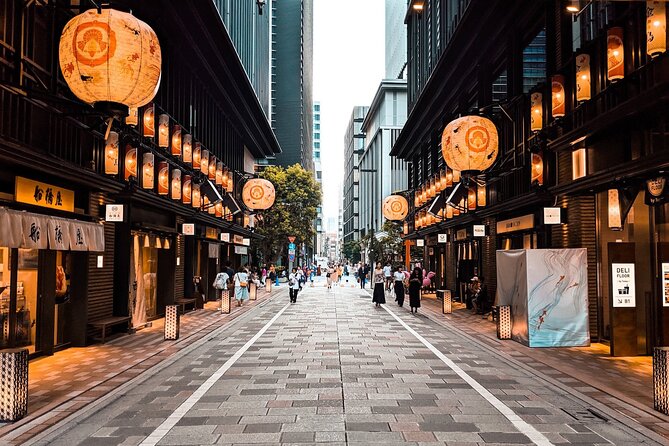
On the way toward lunch stops, you pass through major modern landmarks: Tokyo International Forum and Kitte Marunouchi.
These aren’t filler. They help you feel the time jump the tour is aiming for. You’re moving from food-and-ingredient foundations into Tokyo’s modern public life. The International Forum area gives you a strong sense of city planning and how Tokyo presents itself to the world. Then Kitte Marunouchi signals the kind of curated shopping-meets-food culture common in central districts.
If you like structure in a walking tour, these waypoints are useful. They keep you oriented, and they give breaks before the more food-focused stations near Tokyo Station.
Tokyo Station commute snacks: tamagoyaki and fruit sando
At Tokyo Station Marunouchi Ekimae Hiroba, you try commute-friendly favorites. Two standouts here are tamagoyaki (Japanese omelette) and a fruits sando made with milk bread, filled with fresh fruit and whipped cream.
This is smart tour design. Station food is how you see daily Tokyo life up close. Tamagoyaki isn’t just tasty—it’s practical. It’s portable, it keeps well, and it fits into the rhythm of a workday.
And the fruits sando is the kind of item that feels both modern and nostalgic at the same time. You get a sweet bite that’s not overly heavy, which pairs well with the savory snacks you’ve already had earlier in the day.
You’ll also hit a Daimaru Tokyo stop (also around the Tokyo Station area), adding another department-store-style taste moment before you go onward.
Akihabara desserts and Pokémon taiyaki for future flavor
Ending in Akihabara is a fun choice because it flips the tone. This area is famous for electronics shops, maid cafes, and anime culture, and it sets you up for the tour’s “future of food” angle.
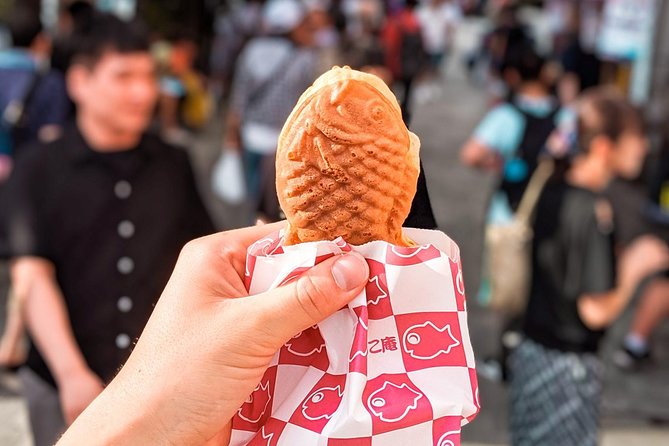
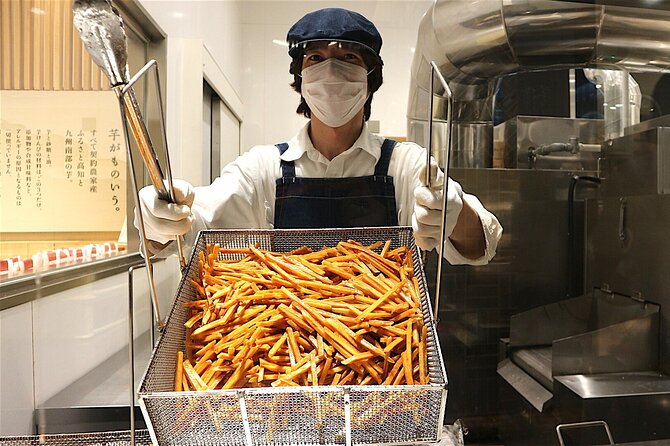
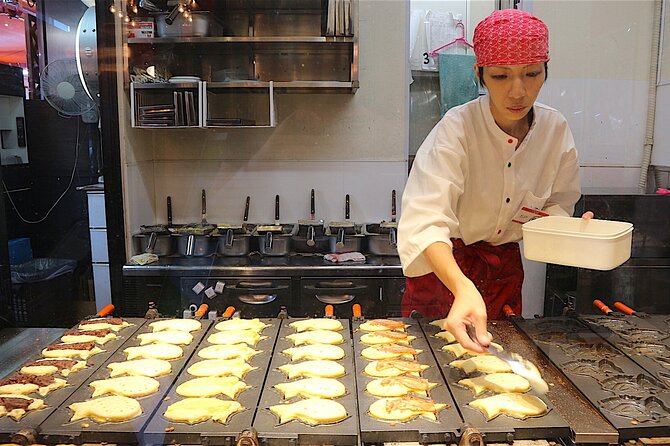
In your tastings, you’ll likely see treats that blend tradition with pop-culture energy. Included items can include Pokémon taiyaki, plus sweets like daifuku or dorayaki, and snack-style bites such as imo kenpi (candied sweet potato). If you like when food becomes a collectible experience, this is the section where Tokyo shows off.
You may also get matcha bubble tea or matcha ice cream, which helps tie the flavor to something you’ll keep spotting after the tour ends. Akihabara’s desserts aren’t just for novelty. They’re also a way to show how Japanese sweets culture keeps evolving.
How much food you get (and what price buys you)
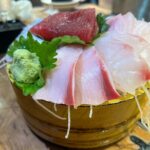
At a glance, this tour looks like a lot of walking and story stops. But the real reason people book it is the eating. Included tastings cover everything from savory to sweet, with examples like:
- Dashi with kelp and bonito components (kombu and katsuobushi)
- Satsuma-age
- Amazake (sweet rice drink)
- Imo kenpi
- Daifuku or dorayaki
- Pokémon taiyaki
- Matcha bubble tea or ice cream
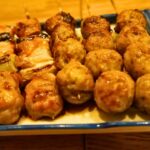
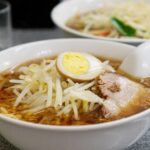
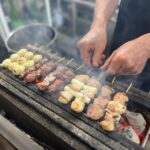
- Lunch options like yakitori and tempura soba
- Tamagoyaki and fruits sando
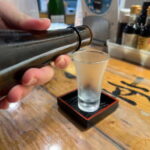
- Lemon sour as the included alcoholic drink
And the overview frames the experience as sampling 14 dishes. That’s a useful benchmark because it sets expectations: you’ll likely leave feeling comfortably full rather than just “slightly sampled.”
Still, one balanced note from the overall experience pattern: some people prefer heavier portions. The design leans toward variety, so you’ll taste many items instead of getting one giant meal repeatedly. If you’re a big eater, I’d plan to treat lunch as your main meal and see the rest as “one good bite at each stop.”
Food and drink logistics
Transport costs are on you, and the day includes two short subway rides. The tour does a lot on foot, so your ticket value is really tied to access, timing, and storytelling, not to covering all transit.
Price and logistics: is $176 worth the 5.5 hours?
At $176 per person for about 5 hours 30 minutes, this isn’t a budget snack sprint. What makes it feel fair is the combination of factors you get together:
- multiple districts rather than one single neighborhood
- a small group cap of 9
- about 14 dishes plus lunch
- a guide-led history connection to food (from ingredients to postwar work culture)
- real-city wayfinding support (meeting at Nihonbashi, ending in Akihabara)
You’ll also notice the tour includes a lot of “Tokyo life” moments that pure food-only tours might skip. Stops at Tokyo International Forum and Kitte Marunouchi help you understand where the food fits into modern Tokyo’s rhythm, not just flavor.
The main tradeoff is walking and stairs. You’ll cover about 6.5 km total and should expect to go up and down stairs at subway stations. If you’re dealing with mobility limits, or you’re not comfortable with long station staircases, this is not the ideal format.
Who should book Flavours of Tokyo
This tour fits best if you want three things at once:
- A food tour with context, not only tastings
- A small-group experience where you can talk with your guide
- A route that goes beyond the obvious areas and ends in Akihabara
It also works well for first-timers who want structure. Starting in Nihonbashi, then moving through Ginza/Yurakucho, then finishing in Akihabara is a clean arc that helps you build mental maps of central Tokyo.
If you want food with minimal walking, or you’re sensitive to stairs, you may prefer a shorter tour that keeps you mostly in one neighborhood.
Should you book this food timeline tour
Yes, if you like learning while you eat and you want a day that feels like Tokyo in layers. I’d book it when you have most of your afternoon free for a walk, and when you’re curious about how dashi and everyday station snacks connect to broader city history.
I would hesitate if you know you won’t enjoy samples and prefer full-size portions back-to-back, or if stair-heavy stations are a problem for you. Also, since the tour requires good weather, pick a day when the forecast looks stable.
If you’re aiming for an honest Tokyo highlight that mixes savory, sweets, and real neighborhood vibes, this is a strong bet.
FAQ
Where does the tour start and what time?
The tour starts at Nihonbashi 1-chome Mitsui Building, 1-chome-4-1 Nihonbashi, Chuo City, Tokyo, with a start time of 11:30 am.
Where does the tour end?
It ends at Akihabara Station, 1 Chome Sotokanda, Chiyoda City, Tokyo 101-0028, Japan.
How long is the tour?
The duration is about 5 hours 30 minutes.
How many people are in the group?
The tour has a maximum size of 9 travelers.
Which Tokyo districts do you visit?
You visit three districts: Nihonbashi, Ginza, and Akihabara.
What food and drink are included?
Included items cover snacks (including dashi elements like kombu and katsuobushi, plus foods such as satsuma-age, amazake, imo kenpi, and daifuku or dorayaki), a lunch (yakitori, tempura soba, tamagoyaki, and fruits sando), and an alcoholic beverage (lemon sour).
How many dishes do you try?
The tour is designed around sampling 14 dishes.
Is transportation included?
Transport costs are payable by you. The tour uses two short subway rides.
How much walking should I expect?
You should expect to walk about 6.5 km (4 miles) in total over the roughly 5.5 hours, with many stairs at subway stations.
Does the tour depend on weather?
Yes. The experience requires good weather. If it’s canceled due to poor weather, you’ll be offered a different date or a full refund.