REVIEW · TOKYO
Shinjuku: Golden Gai Food Tour
Book on GetYourGuide →Operated by Arigato Travel KK · Bookable on GetYourGuide
Tokyo nightlife gets a map.
This 3-hour Shinjuku Golden Gai food tour is a fun way to taste Tokyo after dark, moving through neon streets, alleyway bites, and the maze-like world of Golden Gai. I especially like how the night is built around real food stops (yakitori and ramen, plus other local dishes) and how your English-speaking guide turns each neighborhood into a story, with plenty of practical etiquette tips—guides like Alex and Ray are praised for exactly that. The one drawback to plan for: it’s an alcohol-focused nightlife tour, and many small bars have a strict age rule, so it’s only for people 20 and older.
Because it’s timed and restaurant-sensitive, you’ll want to be on time. They’ll wait only five minutes after the start, and once the tour begins they don’t provide phone help with directions, so arriving early matters if you want the smooth, relaxed pace.
In This Review
- Key takeaways before you go
- Why Shinjuku Golden Gai feels different at night
- Meeting at KISSATEN Tajimaya (and how not to miss the start)
- First stops: the smell of grills and the joy of alleyway eating
- Yakitori culture: what you’re actually paying for
- A ramen stop that teaches you how to order and what to expect
- Shinjuku’s post-war stories: why the walk is part of the meal
- Golden Gai: how to enjoy a 200+ pub maze without getting lost
- Two drinks included: what to do if you’re not a heavy drinker
- Price and value: is $170 worth a 3-hour night?
- Who this tour is perfect for (and who should skip it)
- Tips for getting the most out of the night
- Should you book Shinjuku Golden Gai Food Tour?
- FAQ
- What’s the duration of the Shinjuku Golden Gai Food Tour?
- Where is the meeting point?
- How many drinks are included?
- Is hotel pickup included?
- Are food and drinks included?
- What’s the age requirement?
- How big is the group?
- Is transportation included?
- What happens if I’m late?
- What’s included in the price besides food and drinks?
Key takeaways before you go
- Small group (up to 8) keeps you moving fast enough for nightlife, but not so big that you get lost or ignored.
- Two drinks included, with the second one at Golden Gai, so you’re not just sightseeing.
- Real-feeling local etiquette gets explained at meals—people call this out, especially with guides like Ray.
- You’ll hit multiple food stops (yakitori/skewers, ramen, and more), and you won’t leave hungry.
- Golden Gai’s tiny-pub maze (200+ spots) is hard to navigate alone, which is where a guide earns their fee.
- Expect an older-nightlife vibe: dim bars, 1950s-style decor, and the sort of places where being respectful counts.
Why Shinjuku Golden Gai feels different at night
Shinjuku at night has a special kind of noise: trains fading under foot traffic, neon reflecting off wet pavement, and grills working overtime. This tour leans into that energy instead of trying to make it polite. You start in the wider Shinjuku area, then work your way toward Golden Gai’s tightly packed lanes of tiny bars and stalls.
What I like most is that the experience doesn’t treat food as a checkbox. It’s the spine of the evening. You’ll taste yakitori (skewers), and you’ll also get ramen, which is a smart mix for first-timers: one is Tokyo’s casual grill culture, the other is comfort-food depth. The other big win is storytelling with context. Guides like Alex and Daniele get praised for packing history and local details into the walk, not just reciting dates.
The pace is built for nightlife. That means you should come ready to walk, eat, and keep up a lively rhythm for about three hours. If you prefer quiet, museum-style touring, this may feel a little too “street-level.”
You can also read our reviews of more food & drink experiences in Tokyo

Meeting at KISSATEN Tajimaya (and how not to miss the start)
Your meeting point is in Nishishinjuku, right in front of KISSATEN Tajimaya Coffee House:
1 Chome-2-6 Nishishinjuku, Shinjuku City, Tokyo 160-0023
Directions are specific: follow signs for the West Gate to exit Shinjuku Station, then exit via B15. It’s not complicated, but it is detailed—so give yourself time.
Two practical things from their house rules:
- They can wait only five minutes after the starting time.
- After the tour begins, they don’t give directions or contact the guides by phone, to protect the restaurant relationships and keep the night running smoothly.
So I recommend arriving a few minutes early, taking a quick breath, and confirming you’re at the right coffee shop. This is the kind of tour where a late arrival can snowball into a rushed, frustrating start.
First stops: the smell of grills and the joy of alleyway eating
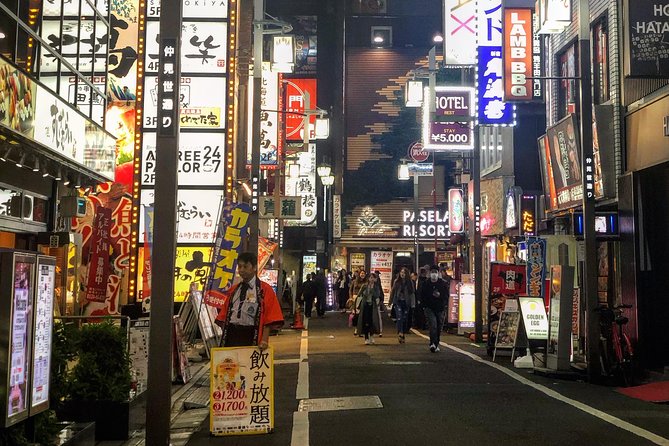
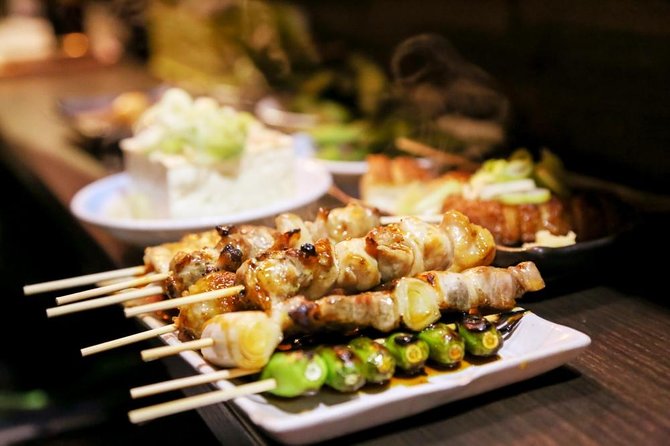
The core of the evening is walking from one food stop to another through Shinjuku’s nightlife lanes—neon streets, narrow passages, and that smoky aroma you only get when grills are going. One of the most frequently highlighted stops is yakitori in a narrow alley setting (people often call it piss alley).
Here’s why that matters to you: Tokyo’s tiny dining spots can be hard to find, and even harder to order from confidently. Having a guide solves two issues at once:
- You get access to places that look like a doorway, not a restaurant.
- You learn the small “how to do it” details that make the meal feel natural instead of awkward.
In guides’ feedback, the “etiquette at the dining table” part shows up a lot—especially with Ray, who’s praised for explaining Japanese food culture and manners. That kind of guidance makes a difference when you’re eating in close quarters with staff who are doing the important work of feeding people fast.
Also, the food flow is designed to keep you comfortable. Since the tour includes variety at multiple food stops, you’re not stuck with only skewers or only one heavy dish. Reviews repeatedly mention that you’ll be well fed, with some even calling it too much food. If you’re a lighter eater, plan for that and pace yourself.
Yakitori culture: what you’re actually paying for
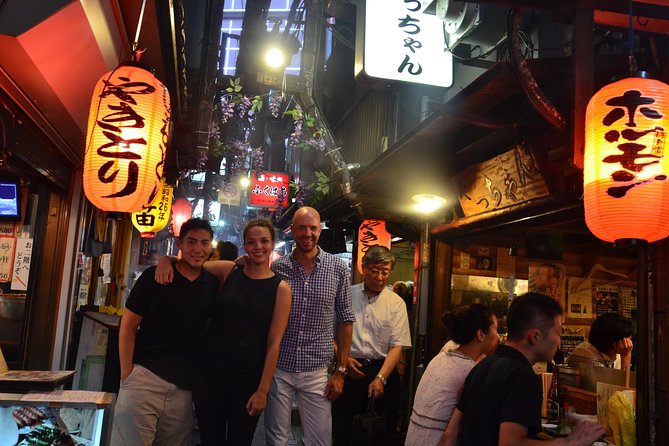
At first glance, $170 for a 3-hour food tour might look steep—especially because you’re in Japan, where street food can be inexpensive. The real value is in the package, not just the plates.
You’re buying:
- multiple stops,
- two drinks total,
- and the guide’s ability to get you into small places without you spending hours guessing.
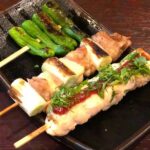
Yakitori is a great example. It’s simple in concept—skewers, grill, sauce—but the best experience often depends on choosing the right cuts and eating them in the local rhythm. With a guide, you don’t have to guess. And since the tour is a small group (up to 8), it’s easier to manage the flow at places that can’t handle crowds.
One word of balance: not every person loved every bite. A couple of reviews describe the food portion as average or underwhelming at specific stops. That doesn’t mean the tour is bad—it means the experience can vary depending on what’s available, how restaurant logistics work for groups, and what you personally like. If you’re a serious foodie chasing a single “best bowl” moment, you may wish you could split your night into a tour plus one solo reservation somewhere top-tier. Still, as an introduction to Shinjuku’s food-and-night vibe, it’s hard to beat.
A ramen stop that teaches you how to order and what to expect
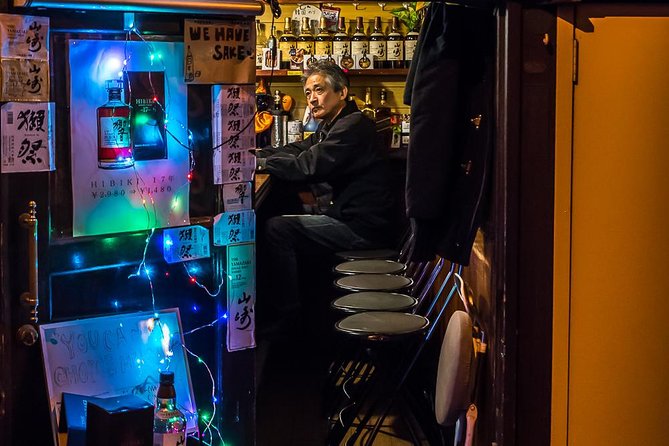
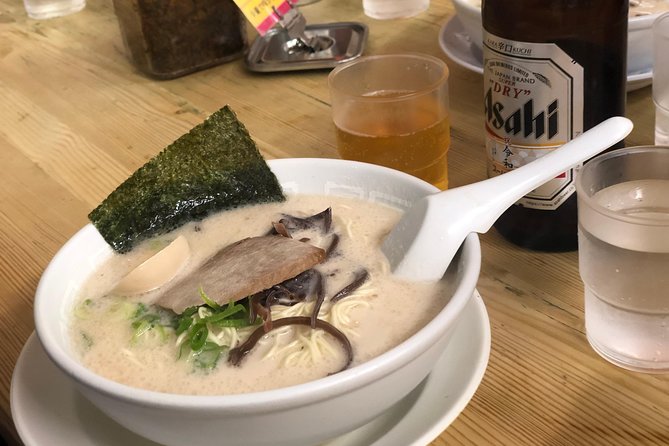
After yakitori, the tour typically shifts into another classic Tokyo comfort category: ramen. Ramen shows up in this tour in a very practical way: you get to taste local style, but you also learn how ordering and small habits work.
One review includes a useful detail: a guide recommended a vending-machine tip—using the top left option at a ramen shop. You can treat that as a good example of why having someone local helps. Those machines and menu layouts can be confusing on your own, and a quick translation isn’t the same as knowing what that specific shop expects.
If you’re thinking about value, ramen is a smart inclusion. It’s filling, it anchors the “Tokyo at night” feeling, and it pairs well with the drinks included. Reviews repeatedly say people left with full bellies, and ramen is a big reason why.
A few more Tokyo tours and experiences worth a look



Shinjuku’s post-war stories: why the walk is part of the meal
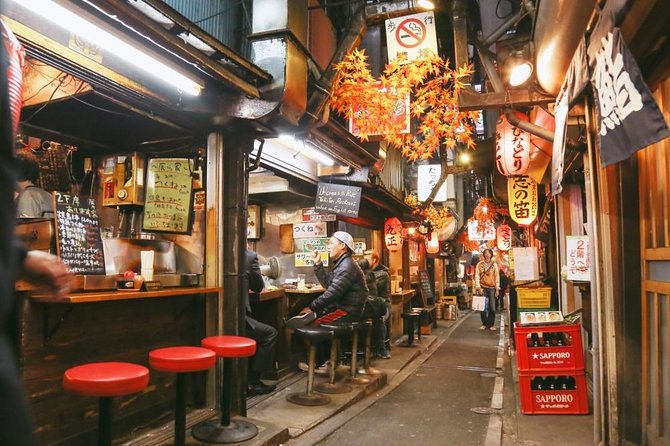
Food tours can become “eat here, eat there.” This one tries harder. Guides tell stories about the area—especially the idea that parts of Shinjuku once thrived as a post-war black market.
You’ll hear background while you walk: what the streets became, why nightlife formed here, and why the district’s glow is so recognizable even to first-timers. It’s not just trivia. When you understand the setting, Golden Gai doesn’t feel random—it starts to feel like a surviving corner of Tokyo’s changing history.
Some guides also use visual aids. One review mentions a portable slide show with historic photos. Whether you see that depends on the guide and timing, but the point is consistent: the history is explained in a way that’s meant to stick while you’re still standing in the neighborhood.
Golden Gai: how to enjoy a 200+ pub maze without getting lost
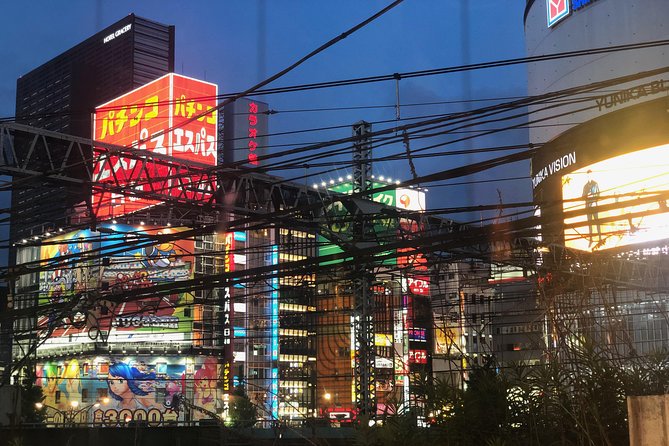
Then you reach the main event: Golden Gai. Think tiny bars packed into narrow lanes, with a “one doorway, one world” feel. The tour’s description highlights a maze of over 200 cozy pubs, plus quirky stalls and karaoke bars. The vibe is old Tokyo, with many places keeping retro decor—often described as 1950s-style interiors—and dim lighting that makes the whole district feel like it’s running on its own clock.
This is exactly where a guide matters. Without one, it’s easy to:
- wander past places you’d like but don’t know how to enter,
- or spend too long trying to decode what’s welcoming to outsiders.
With the tour, you get the structure. You walk the lanes, you hear facts and bar etiquette pointers, and you finish with a drink in Golden Gai that’s part of the included deal.
People also call out atmosphere details—one review highlights the karaoke bar ending as a fun punchline to the night. Even if karaoke isn’t your thing, it tells you something about what Golden Gai is: not a single polished venue, but a collection of small social rooms where groups mix, talk, and sing.
Two drinks included: what to do if you’re not a heavy drinker
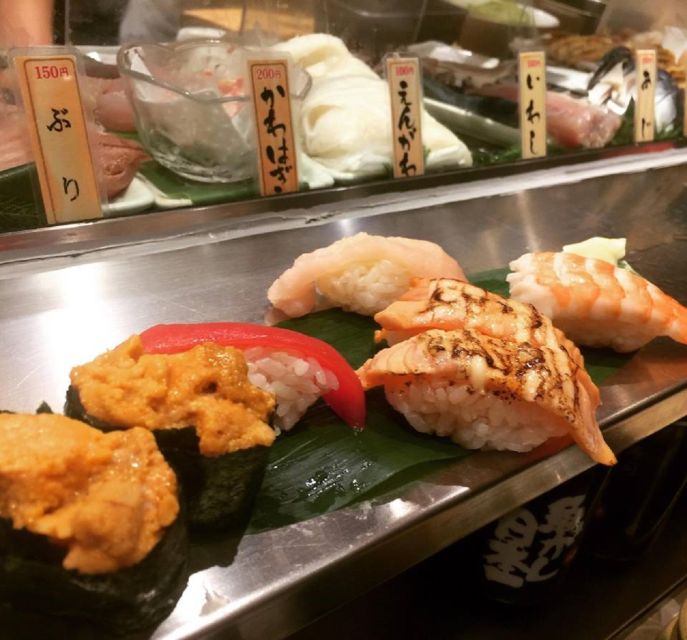
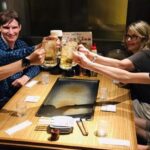
The tour includes two drinks. One is specifically tied to the ending at Golden Gai, and the other happens during the food portion.
If you don’t drink much, that’s okay. In a small-group setting, you can sip slowly and keep your energy up for the walking and standing. Also, because you’ll be eating multiple stops, the drinks aren’t the only focus. Food and stories take the lead.
Also note the tour is nightlife-and-alcohol heavy. That means you should plan to follow bar rules and keep your tone friendly. Guides like Ray are praised for etiquette guidance, and that kind of practical coaching helps you relax.
Price and value: is $170 worth a 3-hour night?
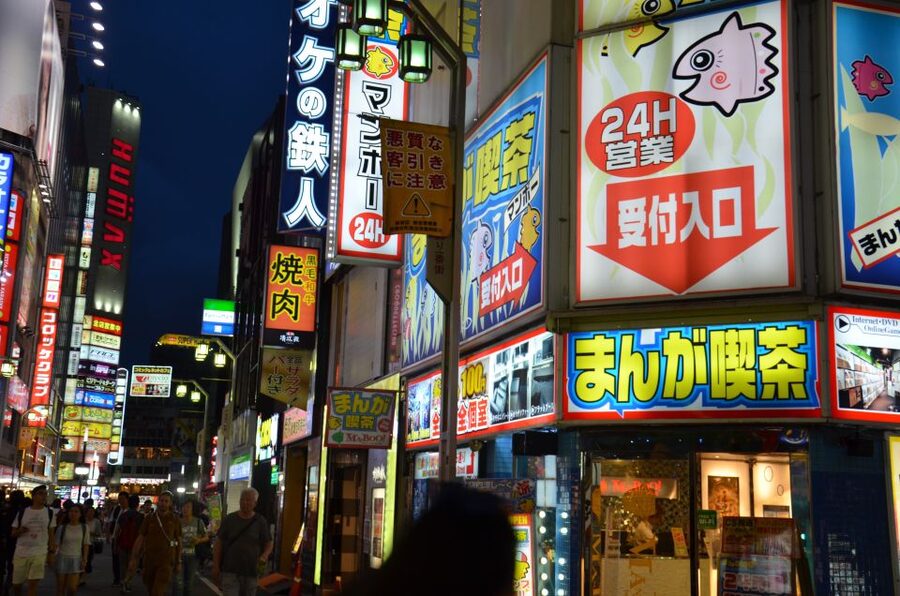
Let’s talk money in a straight way.
$170 per person for 3 hours sounds pricey until you break down what you’re getting:
- a small group tour (up to 8),
- English-speaking guide time,
- multiple food stops with a variety of dishes,
- yakitori and ramen as signature items,
- and two drinks included,
- plus a guided Golden Gai entry experience (where finding places on your own takes time and often leads to dead ends).
So you’re not paying only for food. You’re paying for access, navigation, and the “people who know where to go” factor.
Still, I’ll be honest about the tradeoffs reflected in feedback:
- Some people felt certain food stops weren’t the best quality for the price.
- A couple described the tour as overpriced because some cafes or dishes didn’t hit their personal standards.
That’s why I frame it like this: this is a night introduction tour. It’s best if your goal is to understand Shinjuku’s nightlife layout and eat your way through the key flavors of the area, with guidance smoothing the hardest parts. If your goal is to hunt only top-tier, award-winning food, you might want to treat this as the warm-up and then do one or two dedicated reservations after.
Who this tour is perfect for (and who should skip it)
This tour fits best if you:
- want an easy first-timer introduction to Tokyo nightlife,
- like guided food wandering instead of planning every stop,
- enjoy yakitori and ramen,
- and you’re interested in Shinjuku’s after-dark neighborhoods, not just the famous daytime sights.
You should skip it if:
- you’re under 20 (it’s only for 20+ because it’s heavily focused on nightlife and many places don’t allow minors),
- you hate alcohol-focused environments,
- or you want a quiet, strictly “foodie” tasting menu with no nightlife element.
Also, because it ends in tiny-bar territory, the group size matters. Up to 8 people is small enough that you can actually experience Golden Gai rather than just be moved along.
Tips for getting the most out of the night
Based on how this tour works in practice, these are your best moves:
- Arrive early at KISSATEN Tajimaya. The five-minute grace window is real.
- Bring cash mindset, even if drinks are included. Additional food or drinks can be purchased at your expense.
- Pace your eating. Several reviews say portions can feel generous, so don’t race from stop to stop like it’s a contest.
- Ask questions about etiquette. Guides like Ray are praised for this, and it makes the meals smoother.
- Expect lots of walking and standing. This is nightlife, not a seated tasting.
Should you book Shinjuku Golden Gai Food Tour?
I think you should book if you want a structured, small-group night that teaches you how Shinjuku works and gets you into Golden Gai without wasting time guessing. The biggest strength is the combination of food (yakitori and ramen), two included drinks, and guide storytelling from people like Alex and Ray who are repeatedly praised for making the experience feel local and easy.
I would hesitate if you’re strictly chasing the very best version of each dish at any cost. A couple of reviews point out that some food stops felt merely average. In that case, this tour may still be fun for the neighborhood and the bar-hopping ending, but you might want to plan one or two follow-up meals on your own where you can tailor exactly what you want.
Bottom line: for a first shot at Tokyo nightlife with real eating baked in, this one is a strong pick—as long as you show up on time and you’re ready for an adult, after-dark atmosphere.
FAQ
What’s the duration of the Shinjuku Golden Gai Food Tour?
It lasts 3 hours.
Where is the meeting point?
Meet in front of KISSATEN Tajimaya Coffee House at 1 Chome-2-6 Nishishinjuku, Shinjuku City, Tokyo 160-0023. Get off Shinjuku Station via the West Gate exit, then exit via B15.
How many drinks are included?
Two drinks are included, and the tour includes a bar visit in Golden Gai.
Is hotel pickup included?
No. Hotel pick-up isn’t included, but it can be arranged for an additional charge.
Are food and drinks included?
Yes. You’ll have a variety of dishes at multiple food stops, and two drinks are included. Extra food or drinks are possible to purchase at your expense.
What’s the age requirement?
You and everyone in your group must be 20 years old or older.
How big is the group?
It’s a small group limited to 8 participants.
Is transportation included?
No. Transportation costs aren’t included.
What happens if I’m late?
They can wait an additional five minutes after the starting time. After that, the tour departs.
What’s included in the price besides food and drinks?
You also get an English-speaking local guide and the Golden Gai bar visit. Gratuity isn’t included.