REVIEW · TOKYO
Tokyo: Best of Shibuya Food Tour
Book on GetYourGuide →Operated by Arigato Travel KK · Bookable on GetYourGuide
Shibuya smells better than it looks. This Shibuya Food Tour turns off the Scramble Crossing camera mode and leads you into side streets where the food tells you what Tokyoans actually crave. I love the mix of regional dishes (from sushi to savory staples) and the promise of a proper ending with a Shibuya depachika dessert.
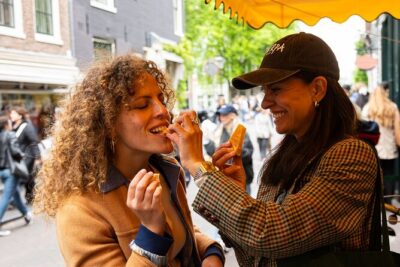
What really works is the human part. In a small group with an English guide, you get stories as you walk, plus help figuring out what to order and how to eat like you belong. I also like that the tour is built around local-style places, not just big-name storefronts.
The main drawback to plan for is that several stops can be standing-room style, so if you hate walking or standing, bring comfortable shoes and pace yourself.
In This Review
- Key things I’d circle on your plan
- Why this Shibuya food walk feels like Tokyo, not a checklist
- Price and value: what $170 really buys you
- Before you meet the guide: Hachiko mural, quick timing, passport copy
- Where to meet
- The time reality
- What to bring
- How the 3-hour route usually plays out across 5 food stops
- Stop 1: early bites and orientation in local-style dining
- Stop 2: standing sushi counter (a favorite pattern)
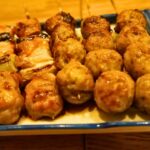
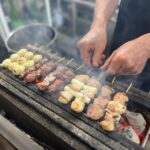
- Stop 3: izakaya-style stop for savory, social flavor
- Stop 4: okonomiyaki stop for regional comfort food
- Stop 5: ramen street style or another Japanese classic with a finish mindset
- Dessert finale: Shibuya depachika
- Drinks, photos, and how guides turn a meal into a story
- Guide names you’ll see in the praise
- Stories you can actually use later
- Photos and small kindnesses
- Walking comfort: the standing-room factor and how to plan for it
- Who should book this Shibuya Food Tour (and who might skip it)
- Should you book this tour?
- FAQ
- What is the duration of the Tokyo Best of Shibuya Food Tour
- How many food stops are included
- What’s included in the price
- Where do I meet the guide
- Is the tour guide available in English
- Do I need to bring my passport
- Can I cancel and get a refund
Key things I’d circle on your plan
- Start at the Hachiko wall mural outside the station (not the crowded statue) so you can find the group fast
- 5 food stops in 3 hours with 2 included drinks and dessert at the end
- Backstreets over neon photos, with time spent in alley entrances and small counters
- Guides earn repeat mentions like Alex, Serena, Jane, Saika, and Kumie for friendly English and smooth ordering help
- Bring a growling stomach and expect you’ll be on your feet for much of the walk
Why this Shibuya food walk feels like Tokyo, not a checklist
Shibuya is famous for big visual moments, but food is where the neighborhood becomes real. This tour leans into that idea. You’ll spend three hours moving through the parts of Shibuya that people actually use for dinner: narrow streets, basement shops, and tiny counters you’d skip if you were only searching for the obvious sights.
I like that the tour keeps you busy with short blocks of walking and eating. Instead of waiting around for one meal, you get several bites that build a picture of Japanese food culture—how different regions and cooking styles show up in the same city neighborhood. And that depachika finish matters more than you’d think. Depachika is basically Shibuya’s dessert language, where the final bite is part of the rhythm, not an afterthought.
You can also read our reviews of more food & drink experiences in Tokyo

Price and value: what $170 really buys you
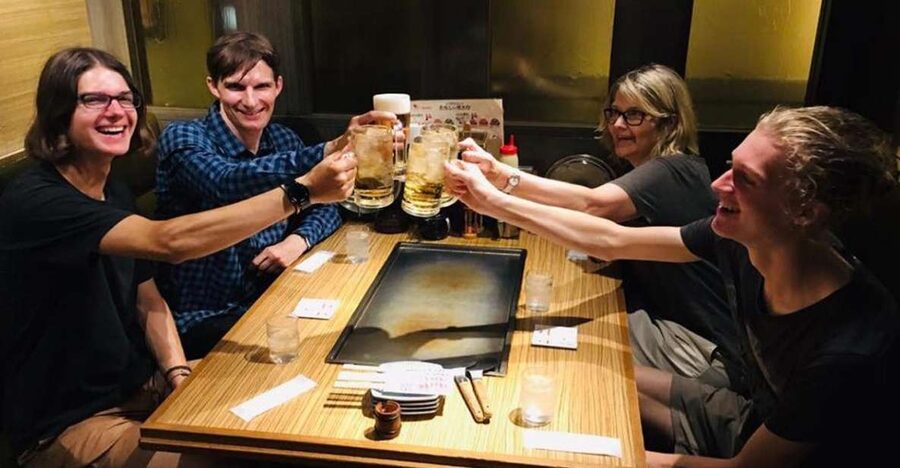
At $170 per person for a three-hour outing, you’re paying for four things that add up fast in Tokyo:
1) Multiple food stops
Five stops means you’re not paying just for one sit-down meal. You’re getting a progression of flavors across different styles.
2) Included drinks and dessert
The tour includes 2 drinks and a dessert, which helps you avoid the usual Tokyo problem of paying extra at each stop.
3) Local, English-speaking guidance
The guide isn’t just translating. People repeatedly mention that guides help with ordering, cultural context, and turning chaos into a simple route. That saves time and reduces the mental load when a restaurant menu is intimidating.
4) Access to small independent places
A big part of the value is that you’re guided to eateries you might miss on your own—especially those that are tucked into side streets or operate like a compact counter scene.
Could you piece this together yourself? Sure. But in a place like Shibuya, doing it solo usually costs more time and more guesswork. This tour packages the hard part—finding the right doors—so you can focus on eating.
Before you meet the guide: Hachiko mural, quick timing, passport copy
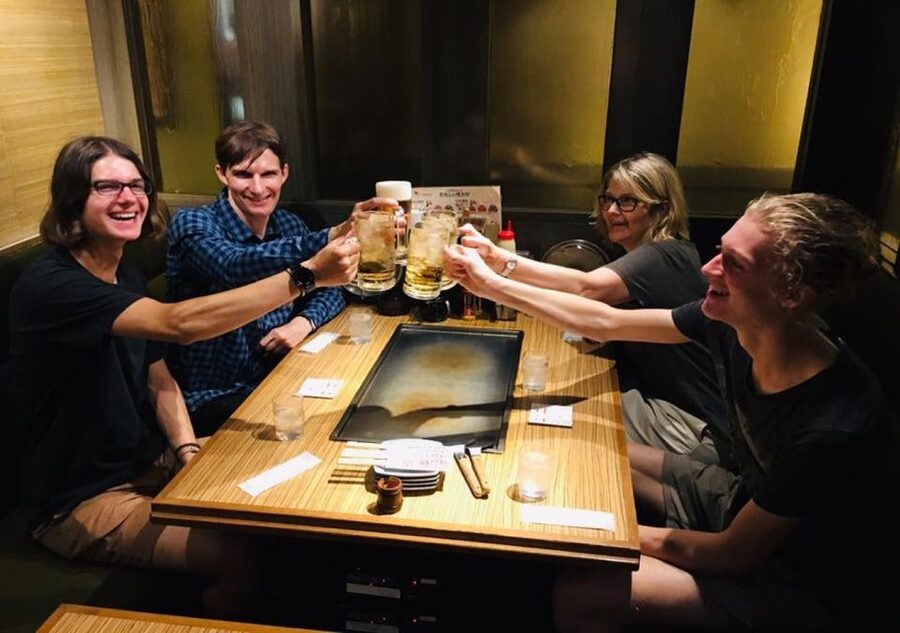
Getting started matters here, because Shibuya is busy and the tour has a short patience window.
Where to meet
Meet in front of the wall mural of Hachiko right outside the station, at the Hachiko exit. The instruction that makes the difference: don’t meet at the very crowded statue. Look for the colorful mural wall. When you come out of the station, you should be facing the big intersection, with the mural behind you.
The time reality
Plan to arrive early. The tour can wait only an additional five minutes after the starting time, then it departs.
Also, once the tour begins, you can’t count on phone help for finding the group. If you’re running late, it’s smart to treat that five-minute buffer as your real limit.
A few more Tokyo tours and experiences worth a look




What to bring
- Passport
- Comfortable shoes
And here’s an important detail that affects planning: a copy of your passport information is required for participants aged 10 and over. If you’re traveling with kids or teens, handle the paperwork early so you don’t get stuck at check-in.
How the 3-hour route usually plays out across 5 food stops
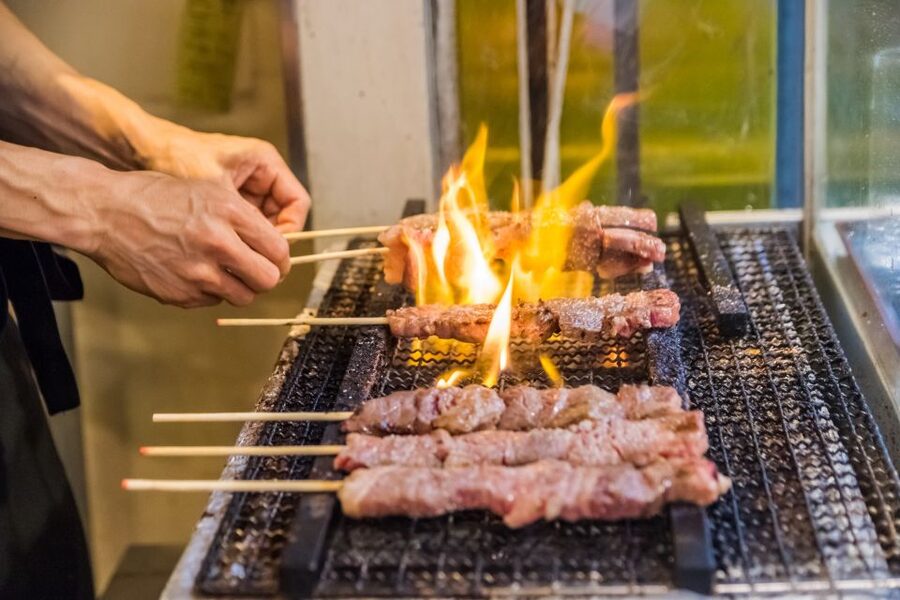
The route can vary by day and group, but the overall structure is consistent: walk to a sequence of locally run food spots, eat at each stop, and finish in Shibuya with dessert in a depachika setting.
From what’s described, you should expect a mix of Japanese classics plus storytelling that connects food to daily life and neighborhood habits.
Stop 1: early bites and orientation in local-style dining
The beginning of the walk sets the tone. You’ll start near the Hachiko meeting point and then head into side streets away from the densest crowd zones. The point isn’t just to move you somewhere quieter. It also gets you into the mindset of eating small portions in multiple places, which is very normal here.
At the first stop, you might see flavors that are familiar but served in a way that feels more local—think of a quick, high-quality bite rather than a formal course.
Stop 2: standing sushi counter (a favorite pattern)
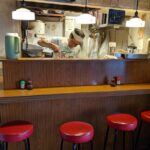
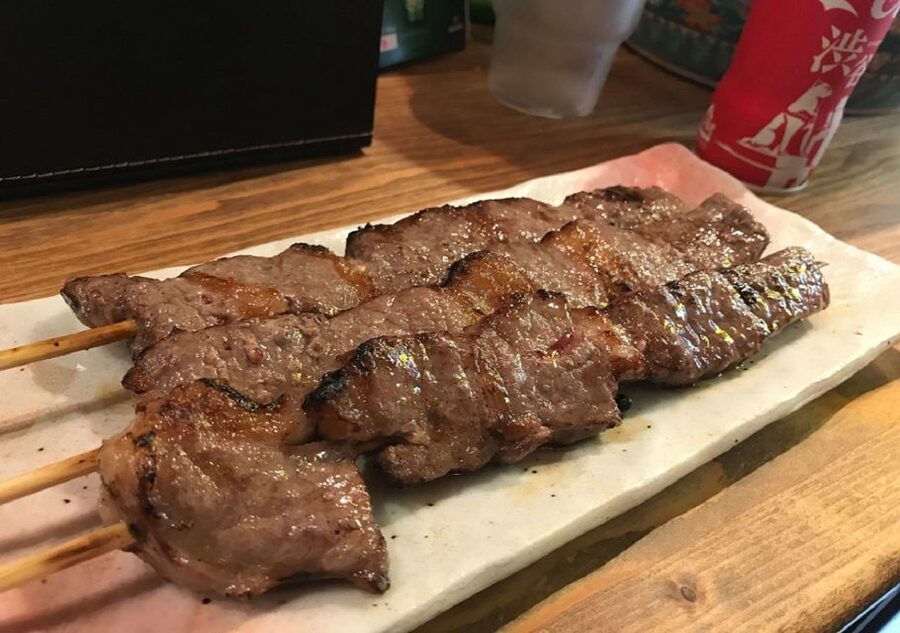
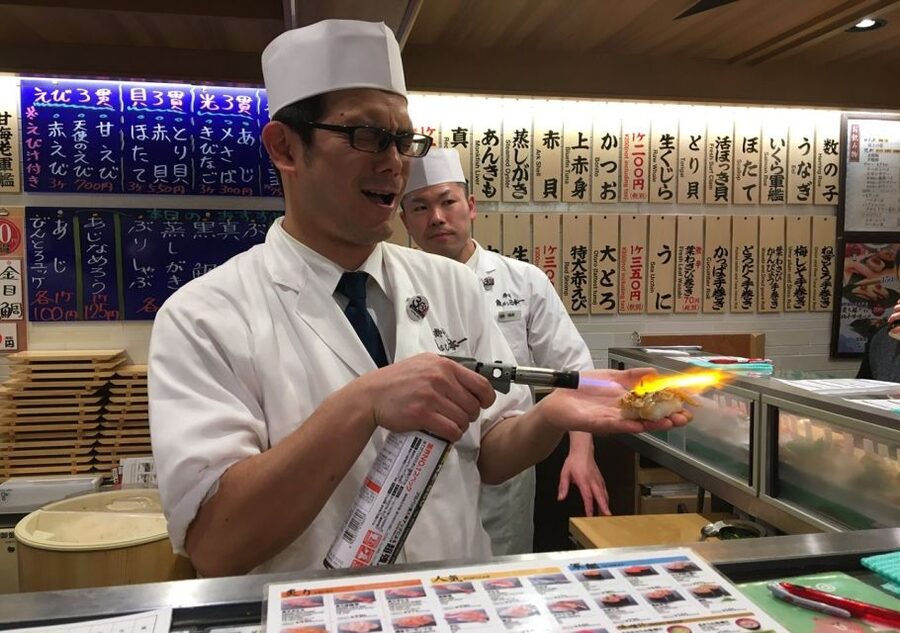
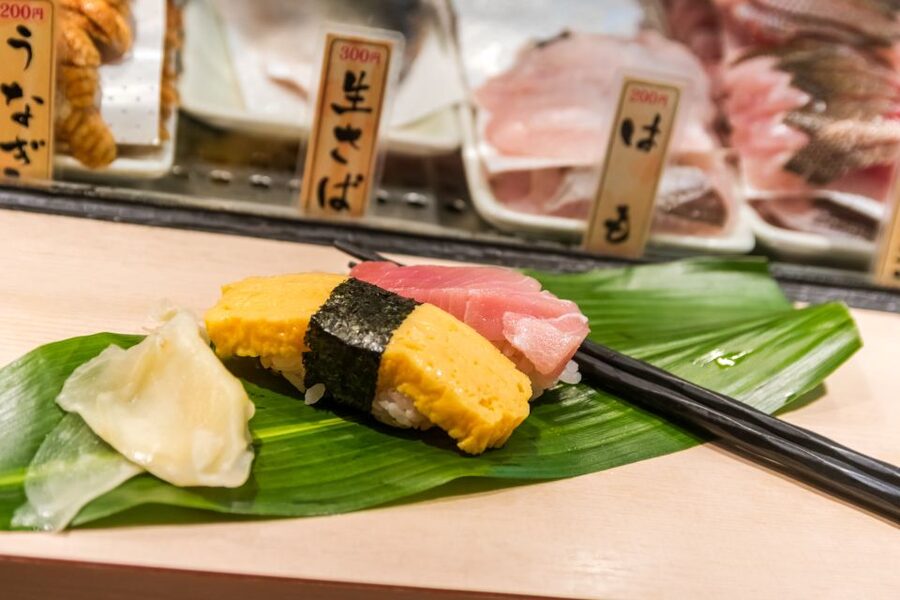
Multiple reviews describe a standing restaurant where you get excellent sushi. This is one of those Tokyo moments: tight space, skilled hands, and fast service. It can feel like watching cooking in real time.
If you’re nervous about standing at meals, it’s still worth doing. Wear shoes you can stand in without pain, and take slow sips of your included drink so you don’t rush the bite.
Stop 3: izakaya-style stop for savory, social flavor
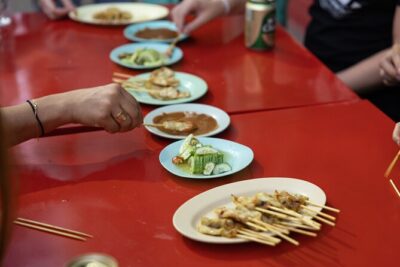
Next often comes something with the izakaya vibe—food designed for sharing, pairing with drinks, and eating over conversation. Even if you’ve never done izakaya before, the guide’s role here is huge: you won’t just be guessing what’s good.
This is also where you start learning the small cultural habits that make the meal smoother. People mention guides explain the why behind food choices and how the neighborhood dining scene works.
Stop 4: okonomiyaki stop for regional comfort food
Okonomiyaki is a crowd-pleaser, but the key for this tour is that you’re not eating it as a random item. You’re eating it as part of a route that shows how Tokyo food habits connect back to regional styles.
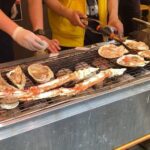
Reviews mention an okonomiyaki place and emphasize that the dish is delicious and often varies by region—so you’ll see why the same idea (savory pancake-style comfort food) doesn’t have to taste the same everywhere.
Stop 5: ramen street style or another Japanese classic with a finish mindset
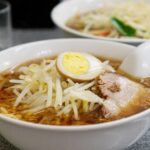
Another commonly mentioned stop is ramen, including a street-style setup. Ramen is perfect for the mid-to-late portion of the tour: warming, satisfying, and easy to understand even if you’re not fluent in Japanese.
A practical note: because you’ve already eaten several stops, you’ll want to listen to your body. This is not a buffet crawl where you can ignore what you’ve ordered. The tour gives you generous enough portions that you’ll probably feel full if you sprint through the pacing.
Dessert finale: Shibuya depachika
The tour ends with dessert in a Shibuya depachika. Depachika is one of Tokyo’s best food zones for a reason: the selection is high quality, and the dessert world here is treated like a real destination.
Expect a sweet finish that feels earned. Reviews repeatedly mention ending with dessert, and guides are praised for making the final stop feel like a proper payoff, not just a sugary formality.
Drinks, photos, and how guides turn a meal into a story
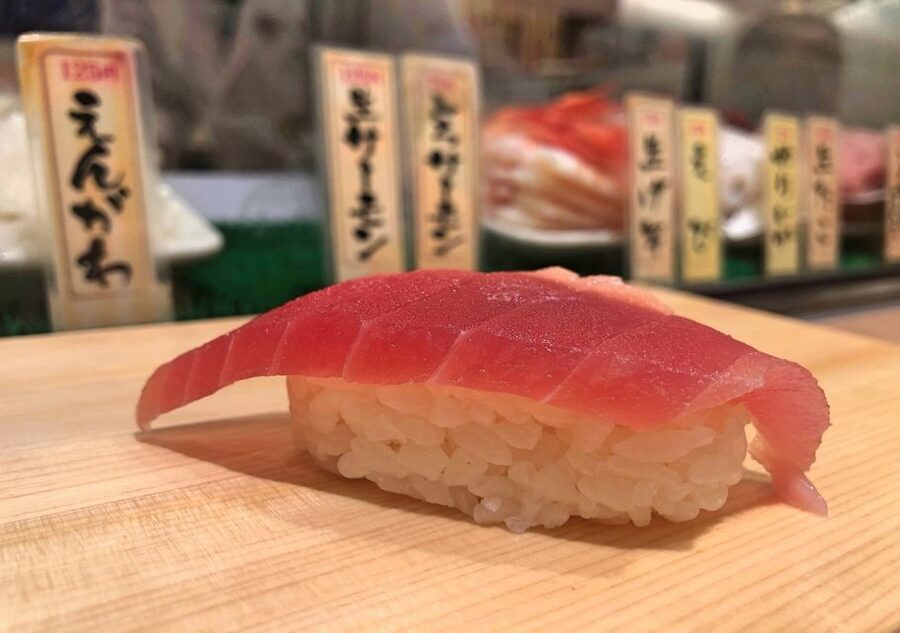
This tour includes 2 drinks, and that changes the feel of the stops. You’re not just eating. You’re pairing and learning. Guides help you order, and multiple reviews point out that the guide keeps the flow fun and easy—even in Tokyo’s fast-moving streets.
Guide names you’ll see in the praise
Several guides get strong mentions: Alex, Serena, Jane, Saika, Sakura, Dan, Maya, Shion, Kumie, Michie, Ryan, and Tom. The repeated theme isn’t one specific itinerary trick. It’s the way guides handle the basics well: clear English, friendly energy, and getting you into places you’d hesitate to find alone.
Stories you can actually use later
One review about Alex mentions sharing stories that connect Japanese and Mexican culture—an example of the tour turning into conversation, not just a feed-the-line experience.
Other reviews mention cultural facts and food history tidbits, plus extra tips on what to do next in Tokyo. You may also get help with phrases and food recommendations beyond the tour.
Photos and small kindnesses
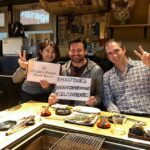
A few reviews mention guides taking lots of pictures without asking, and one guide was noted for passing out hand warmers on a cold day and adjusting the plan so kids (and everyone) were comfortable. That tells you something about what to expect: flexibility and care, not rigid rushing.
Walking comfort: the standing-room factor and how to plan for it
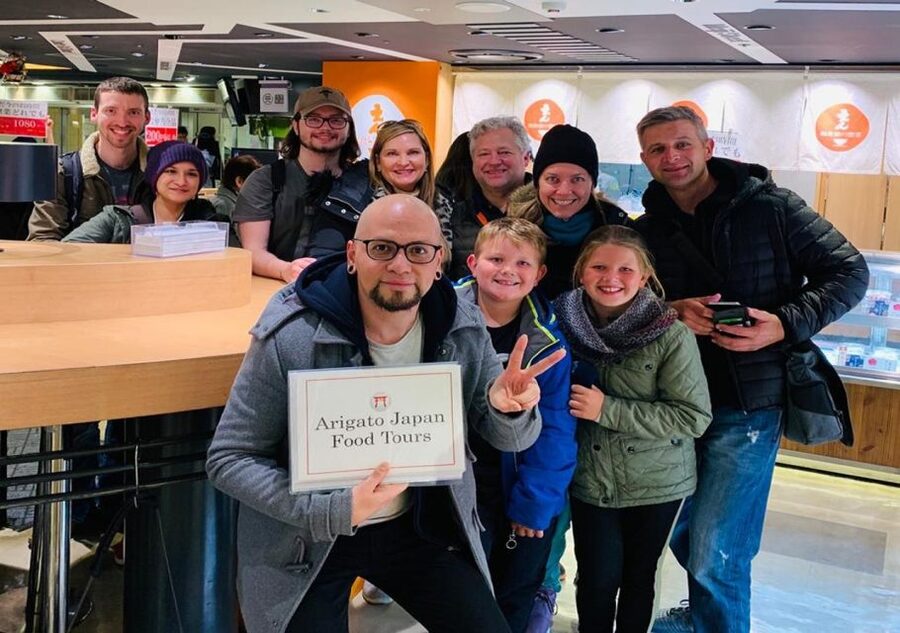
Here’s the honest part: several stops are described as standing-room style, and one review specifically warns that seating can be limited. If that’s not your thing, don’t panic, but do plan.
My practical advice:
- Wear comfortable shoes even if you usually do tourist sneakers.
- If you’re sensitive to standing, slow down your walking pace between stops so you arrive less rushed.
- Use the included drink as your pace tool—take small sips while you eat, then reset when you move to the next counter.
If you’re traveling with kids, it can still work, but you’ll want to bring patience and expect walking plus standing.
Who should book this Shibuya Food Tour (and who might skip it)
This is a strong fit if you:
- Want 5 food stops instead of one big meal
- Prefer local counters and small independent restaurants over big tour magnets
- Like your tours with real-life context: how Japanese dining works, what to order, and why the neighborhood eats this way
- Get satisfaction from discovering side streets off the main flow
It may not be the best fit if you:
- Hate standing at restaurants or dislike eating in multiple quick segments
- Want lots of seating breaks and a slow, sit-down schedule
- Want a tour that focuses mostly on sightseeing landmarks rather than food
Also, if you’re a first-timer to Tokyo or Shibuya, this works as a fast orientation tool. You’ll learn how the area is structured: stations, basements, side entrances, and dining habits that don’t show up in a single photo stop.
Should you book this tour?
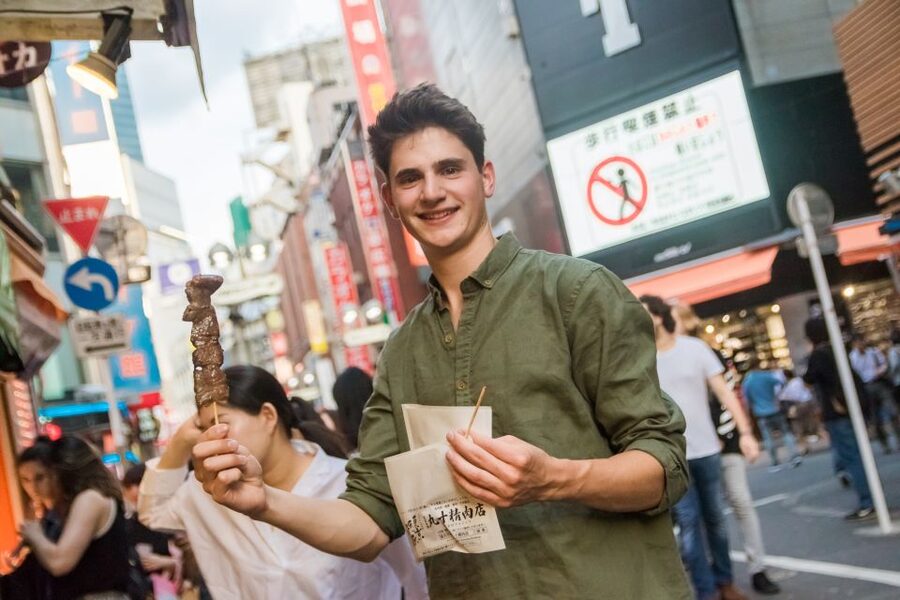
I’d book it if you want a Tokyo food experience in Shibuya that’s built around multiple local bites, includes drinks and dessert, and keeps the route tight enough that you can finish feeling satisfied instead of exhausted.
I’d hesitate if you’re extremely sensitive to standing and standing-only counters, or if you’d rather do a self-guided meal crawl where you control every stop length. In that case, you might prefer a more seated, slower option.
If you do book, show up early at the Hachiko wall mural meeting point, bring your passport (and plan for the required copy for ages 10+), and come ready to eat. This tour is at its best when you treat it like a guided tasting walk, not a single sit-down dinner.
FAQ
What is the duration of the Tokyo Best of Shibuya Food Tour
The tour lasts 3 hours.
How many food stops are included
The highlights describe 5 food stops.
What’s included in the price
The tour includes a variety of dishes at multiple food stops, 2 drinks, dessert, and a local English-speaking guide.
Where do I meet the guide
Meet in front of the Hachiko wall mural right outside the station at the Hachiko exit. Do not meet at the very crowded Hachiko statue.
Is the tour guide available in English
Yes, the tour is led by a live English speaking guide.
Do I need to bring my passport
Yes. You should bring your passport, and a copy of your passport information is required for participants aged 10 and over.
Can I cancel and get a refund
Free cancellation is available up to 24 hours in advance for a full refund.