REVIEW · TOKYO
Tokyo: Classic Tsukiji Food Tour
Book on GetYourGuide →Operated by Arigato Travel KK · Bookable on GetYourGuide
Tsukiji breakfast hits differently. I love the morning tastings that go beyond the usual and the way guides such as Yappy and Kay explain what you are eating, not just where it comes from. This 3-hour English tour (small group up to 10 people) turns Tsukiji into a practical lesson on Japanese food culture, from rice and miso to tamagoyaki.
One thing to plan for: this is walking level advanced, with narrow market lanes and lots of people. The timing is also tight, so if your main goal is shopping for kitchen items, you may wish you had more time to wander on your own.
In This Review
- Key highlights I’d plan around
- Tsukiji at breakfast: why this timing is the real deal
- Starting at Turret Coffee Shop: how to keep the morning calm
- Breakfast at a local restaurant: what the included meal usually feels like
- Walking the Tsukiji Outer Market lanes: tastings that teach you what to notice
- Regional and seasonal food around Japan: the point isn’t just seafood
- The shrine stop: a quiet reset with over 300 years of history
- How much free time you really get to wander
- Price and value: why $181 can make sense here
- Who should book this Tsukiji classic tour
- Practical tips so you enjoy every minute
- Should you book the Classic Tsukiji Food Tour?
- FAQ
- How long is the Tokyo Classic Tsukiji Food Tour?
- How big is the group?
- Is the tour in English?
- What is included in the tour price?
- Where do I meet the tour?
- Do I need hotel pick-up?
- What should I bring?
- Are baby strollers allowed?
- Are unaccompanied minors allowed?
- Can I cancel and get a refund?
Key highlights I’d plan around
- Small-group breakfast start at a local restaurant before the market really swallows your morning
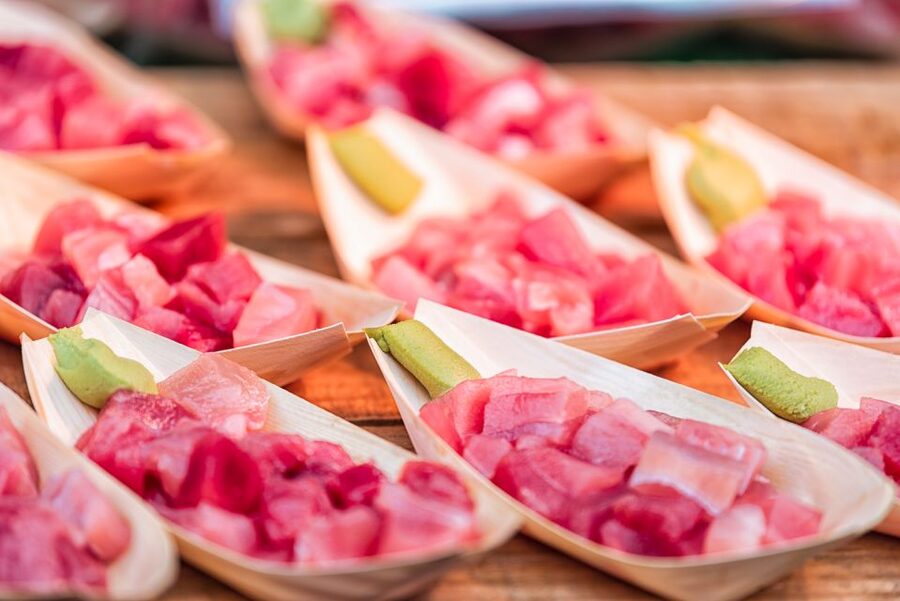
- Tsukiji Outer Market tastings across seafood, pickles, spices, and traditional sweets
- Fresh, hands-on food moments like learning how to grate wasabi
- Seasonal and regional flavors from around Japan, not just a single-note seafood tour
- Stories from the guides that help you understand what you see and how vendors work
- A short but focused shrine stop with over 300 years of history, grounding the market experience
Tsukiji at breakfast: why this timing is the real deal
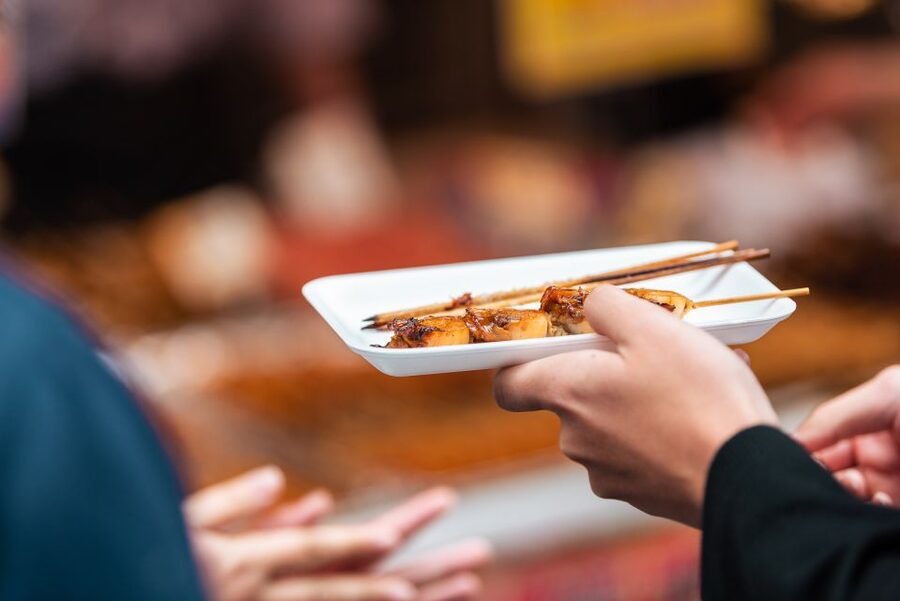
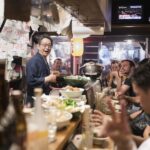
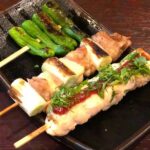
Tsukiji’s Outer Market area works best in the morning, when you can still take it all in without fighting the full crush of the day. You get that early-awake sensory mix: grilled seafood aromas in the air, tamagoyaki scent curling through shop windows, and the steady rhythm of vendors setting up.
What I like about this tour is that it treats the market like a food system, not a photo spot. You’re not just eating one neat bite after another. You’re learning why these foods show up here, how they are prepared, and what to pay attention to when you taste.
Also, the tour is built for a wide range of experience levels. If it’s your first Japan trip, you’ll get the basics without feeling like a textbook. If you’ve been before, the seasonal and regional angle gives you reasons to pay closer attention.
You can also read our reviews of more food & drink experiences in Tokyo

Starting at Turret Coffee Shop: how to keep the morning calm
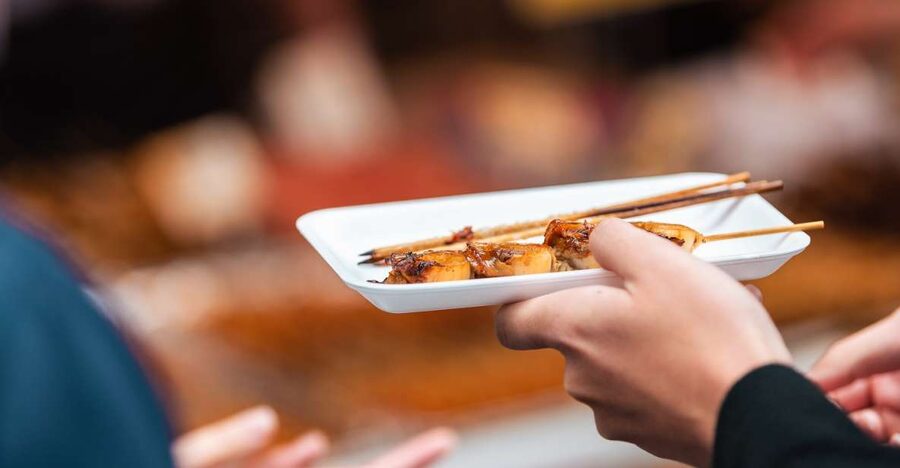
The meeting point is simple: Turret Coffee Shop in Tsukiji, Exit 2. Your guide is there holding an Arigato Travel sign. Showing up a few minutes early matters here, because the area around Tsukiji can get crowded fast once the day gets going.
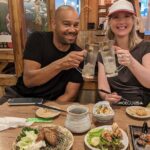
Right away, you’ll get oriented to what you’re about to see. The small group size (limited to 10) helps you move as a unit through tight alleys without getting separated from the guide. Since the tour is in English, you should feel comfortable asking what something is, how to eat it, or what to look for at the stalls.
One small practical note: bring comfortable shoes. This is not a “stroll until you feel like stopping” setup. Plan on steady walking, and keep your pace flexible.
Breakfast at a local restaurant: what the included meal usually feels like
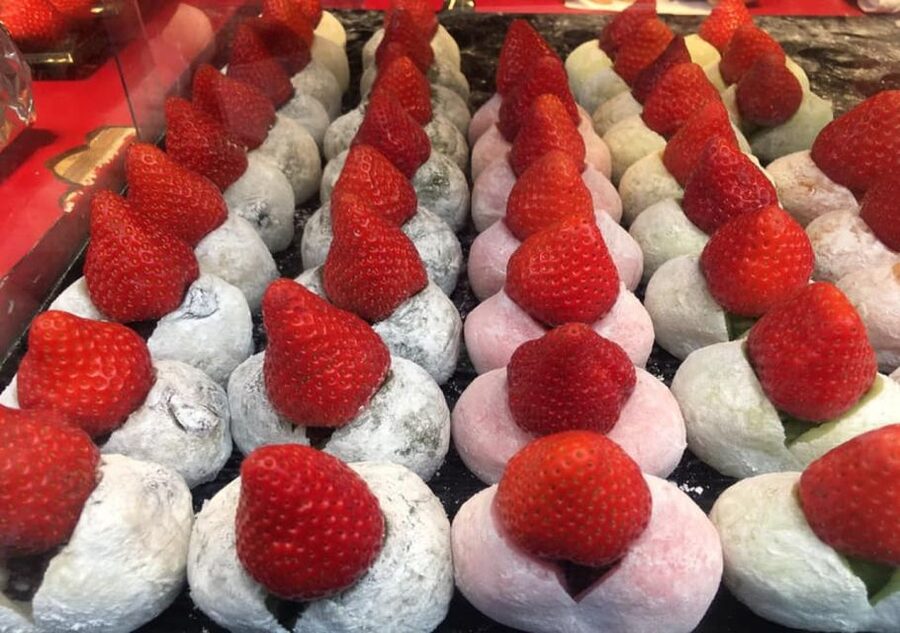
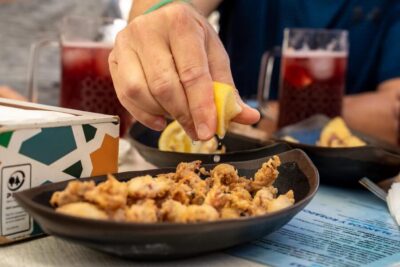
The tour includes breakfast at a local restaurant, and it’s not the kind of meal that feels like filler before the fun. The idea is to start you on the Japanese rhythm of breakfast—rice, soup, and grilled or prepared items—so the market tastings make sense after.
From what guests describe, breakfasts often include items like grilled mackerel or black cod, along with miso soup. You’ll also find the basics of a traditional start: rice that’s hot and simple, soup that tastes like it was made for this exact morning, and side bites that fit cleanly into the day’s food logic.
Why this matters for value: breakfast is a big part of the experience budget in Japan. Paying for a guided breakfast that also sets you up for market tastings saves you time and guesswork. You also avoid the common mistake of wandering hungry and then paying more for tastings later.
Walking the Tsukiji Outer Market lanes: tastings that teach you what to notice
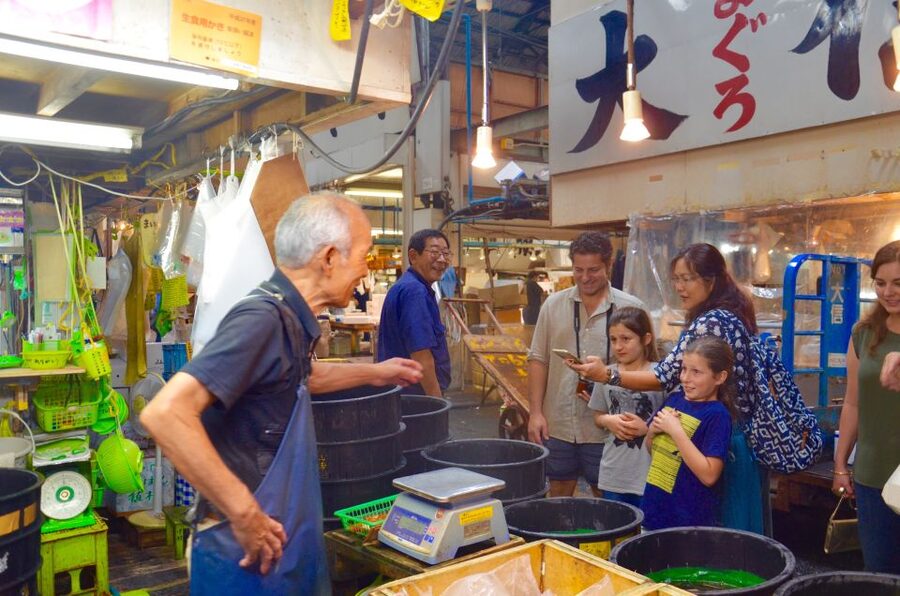
Once breakfast is done, you shift into tasting mode through the Tsukiji Outer Market area. This is where the guide’s role becomes clear. The market looks straightforward until you’re inside it. Then you realize how much is going on—different seafood types, different seasonings, different shop styles, and different ways to eat what you buy.
The included tastings are designed to help you build a map in your head:
- seafood that tastes fresh and clean
- pickles and small bites that balance the richness
- spices that show up in ways that make everyday food feel intentional
- traditional Japanese sweets that add a slower, gentler finish
A standout type of moment is the wasabi experience. Some guides teach you how to grate fresh wasabi, which is one of those things you can’t really learn from a menu. It also makes the next bite of fish or other seafood taste more specific, because your palate is tuned to the right flavor signals.
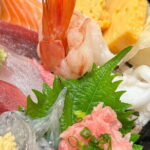
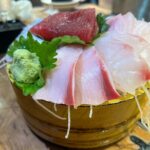
And yes, there’s sashimi on the menu—people talk about it as some of the best they’ve had. The key here is not just the fish. It’s the sequence and context: you taste, learn what makes it different, then taste again with better attention.
Regional and seasonal food around Japan: the point isn’t just seafood
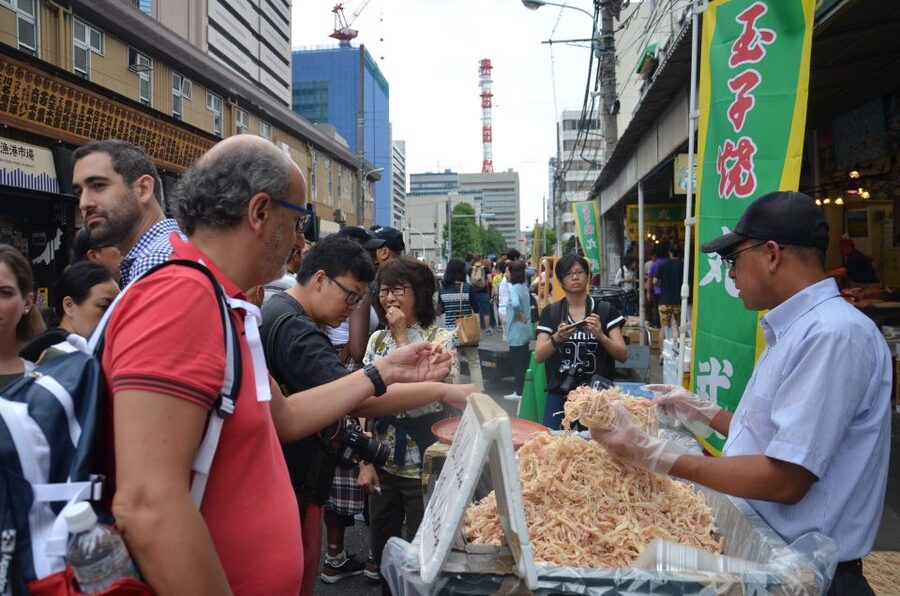
The tour doesn’t treat Japan as one flavor. You get regional and seasonal food from around Japan as part of the included tastings. That’s a big deal because it changes the tour from a one-topic sampler into something closer to a mini culinary orientation.
You’ll notice the difference in how foods show up depending on what’s current. Seasonal items tend to taste sharper or more fragrant when they are fresh, and the guide can explain how those choices reflect local food habits.
If you love variety, this is where the tour can surprise you. Even if you came thinking you’d only eat seafood, you end up tasting other components—sweets, pickles, and breakfast-adjacent items—that show you how Japanese meals are built as whole experiences, not just single plates.
A few more Tokyo tours and experiences worth a look

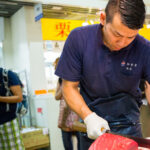


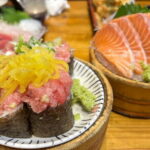
The shrine stop: a quiet reset with over 300 years of history
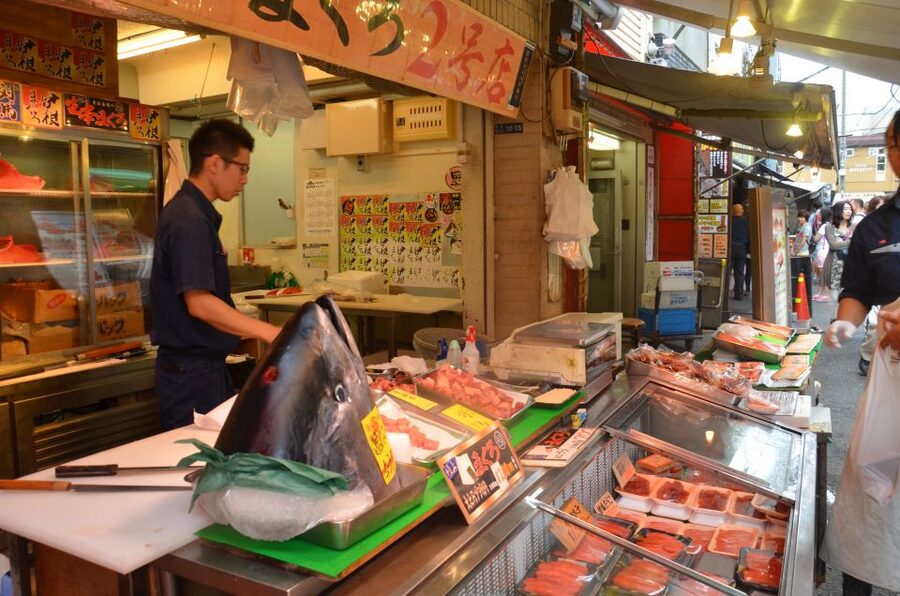
Midway through the morning, you’ll visit a shrine with over 300 years of history. It’s not there just for a break from the crowd. It’s there to give the market context.
Markets in Japan aren’t only about commerce. They connect to tradition, ritual, and the idea that food is something you handle with respect. You’ll feel that shift when you move from shop-to-shop intensity to a calmer space. It’s a good reset after the sensory overload of fish displays and busy alleys.
If you tend to skim over cultural stops, this one is worth paying attention to. When the guide ties the shrine’s long timeline back to the market’s continuity, you start seeing Tsukiji as a place that carries memory—not just inventory.
How much free time you really get to wander
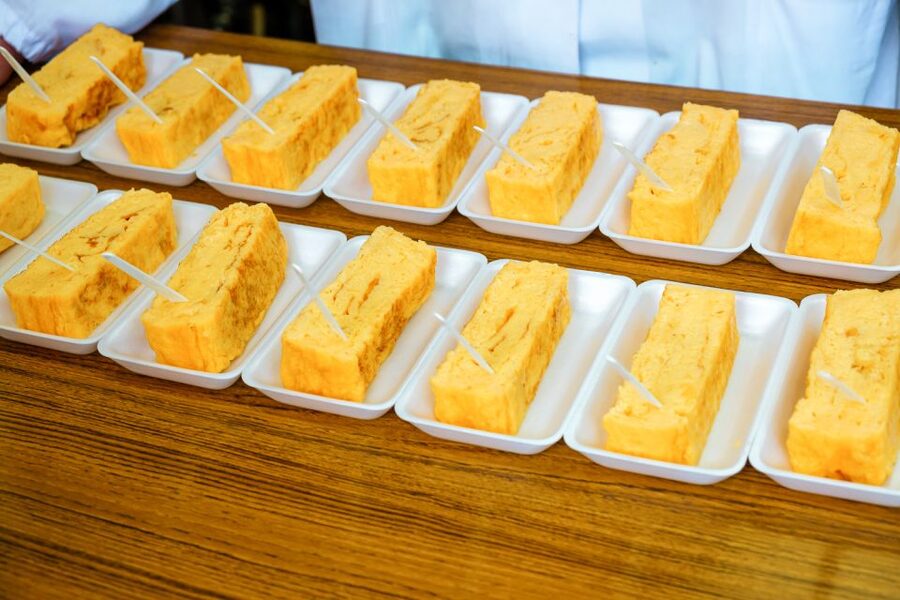
This tour is short: 3 hours. That’s enough time for breakfast, tastings, and a structured path through Tsukiji, but it’s not enough time to treat it like a full-day shopping mission.
Some guests point out that they’d like a bit more time to walk on their own through the market lanes and shops. That’s a fair tradeoff for what you are paying for: guided sampling and instruction, plus help navigating where to go so you don’t waste your limited morning.
My advice: decide in advance what you want most. If you mainly want to taste widely and learn what you’re eating, this pace is great. If your priority is browsing kitchen stores for a specific knife or item, plan to do that after the tour with energy left.
Also, keep in mind you can add to your day at your own expense. Several guides help guests pick out items for take-away plans, turning the tour’s tastings into a longer food day. Just expect that extra food purchases are on you, not included.
Price and value: why $181 can make sense here
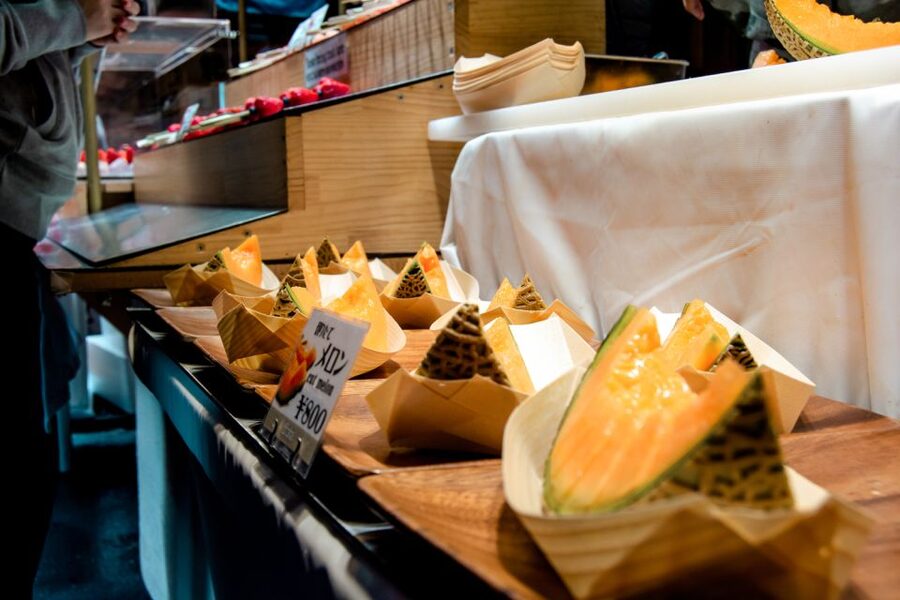
At $181 per person, this tour costs more than self-guided wandering. The question is what you get for that difference.
You’re paying for:
- a guided route through a dense market area
- an included breakfast at a local restaurant
- multiple food tastings from the Tsukiji Outer Market area
- traditional Japanese sweets
- help understanding regional and seasonal choices
- a small group experience with English interpretation
In a place like Tokyo, where buying quality food one stop at a time can add up quickly, that package value can show up fast—especially because the tastings help you sample more variety than you’d likely attempt alone.
There’s also a practical value to the guide. Tsukiji can be intimidating. With a guide, you spend less time guessing and more time eating, tasting, and learning what each bite is supposed to be like. People consistently mention how guides like Yappy, Shigeki, Kay, and Sandra manage the flow of crowds and narrow lanes so you keep moving without feeling lost.
Your extra costs are mostly optional: transportation to get to the meeting point, gratuity, and any additional drinks or food you choose to buy during or after. Hotel pick-up is not included either.
Who should book this Tsukiji classic tour
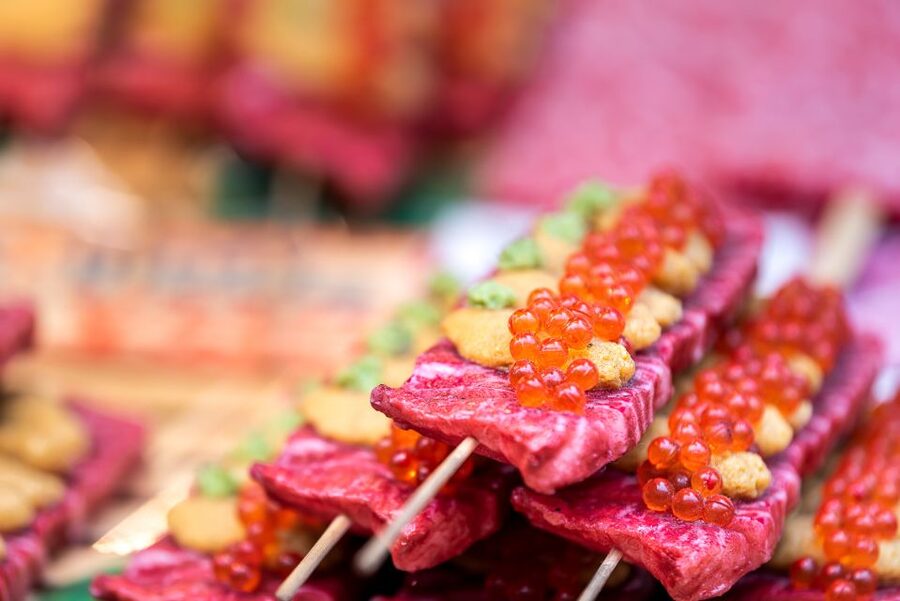
This is an excellent choice if:
- you want a structured introduction to Japanese food culture
- you like seafood and want to understand why it tastes different in Japan
- you’re traveling with a mix of first-timers and return visitors
- you want to eat well without spending your morning researching what’s worth it
It’s not a great choice if:
- you hate walking (again, walking level advanced)
- you need stroller-friendly routes (baby strollers aren’t allowed)
- you’re traveling with an unaccompanied minor (not allowed)
And if you’re sensitive to crowds, plan mentally for a busy market atmosphere. The tour design helps, but it doesn’t remove the reality of Tsukiji in the morning.
Practical tips so you enjoy every minute
Do a few small things before you go and the tour feels smoother.
- Wear comfortable shoes with real grip. You’ll be on foot for the full morning window.
- Bring your passport. It’s required, and children aged 10 and above need a passport copy.
- Come hungry, but not starving. A strong breakfast helps you enjoy the tastings instead of rushing through them.
- Be ready to try unusual foods. The tour’s strength is variety, including regional and seasonal items you might not pick on your own.
- If you have an itch for more shopping after, ask your guide for next-step ideas. Some guides have offered recommendations afterward, including places around Ginza.
If you want to maximize value, go into the tour thinking of it as both a meal and a guide training session for future eating. By the end, you’ll know what to look for, how to describe what you like, and where to buy similar flavors on your own.
Should you book the Classic Tsukiji Food Tour?
If you want a focused, high-impact Tsukiji morning—breakfast, tastings, and real guidance—this tour is a strong yes. The included food coverage is the core reason: you get a proper Japanese breakfast plus multiple tastings and sweets, and the small group size makes the experience feel guided rather than chaotic.
I’d only hesitate if you have mobility limits or you mainly want hours of free browsing and shopping. The tour is built to taste and learn, not to linger in one stall for an entire morning.
One last thought: if fish freshness and Japanese food culture are your kind of travel, you’ll likely find this tour delivers more than a checklist. You’ll leave with better instincts for what to eat next in Tokyo—and that’s the kind of souvenir that actually lasts.
FAQ
How long is the Tokyo Classic Tsukiji Food Tour?
It lasts 3 hours.
How big is the group?
It’s a small group limited to 10 participants.
Is the tour in English?
Yes. The live tour guide speaks English.
What is included in the tour price?
The tour includes breakfast at a local restaurant, food tastings from the Tsukiji Outer Market area, traditional Japanese sweets, and exploration of regional food from around Japan.
Where do I meet the tour?
Meet at Turret Coffee Shop in Tsukiji (take Exit 2). Your guide will be there holding an Arigato Travel sign.
Do I need hotel pick-up?
No. Hotel pick-up is not included, but it can be arranged for an additional charge.
What should I bring?
You should bring your passport and wear comfortable shoes.
Are baby strollers allowed?
No, baby strollers are not allowed.
Are unaccompanied minors allowed?
No, unaccompanied minors are not allowed. Children must be accompanied by an adult, and a copy of the passport is required for those aged 10 and above.
Can I cancel and get a refund?
Yes. Free cancellation is available up to 24 hours in advance for a full refund.