REVIEW · TOKYO
Kawaii Food Tour of Harajuku Tokyo
Book on Viator →Operated by Arigato Japan KK · Bookable on Viator
Color, candy, and lunch—without hunting. That’s the smart hook of this Kawaii Food Tour of Harajuku Tokyo: you get a mapped-out afternoon that mixes Japanese pop-culture shopping streets with real food stops, all wrapped in that unmistakably cute Harajuku energy.
I especially like two things. First, the tour doesn’t just mean sweets on repeat. You’re sampling a range of foods across iconic neighborhoods, including regional-style bites you’d be less likely to find on your own. Second, the guides bring context, and you’ll hear stories about the areas while you’re walking—whether you end up with a guide like Hannah (patient with a toddler) or Michie (sharing plenty of Harajuku history).
One note before you book: it’s not recommended for gluten-free. If you need strict gluten-free options, you’ll likely have to think twice about whether this route fits your needs.
In This Review
- Key things to know before you go
- Why Omotesando and Harajuku Make Such a Great Food Route
- Price and Value: What $209 Gets You (and What You Don’t)
- Small-Group Walking (Max 10) and Why It Matters in Harajuku
- The Food Moment: Lunch as a Pop-Culture Experience
- Stop-by-Stop: From Nescafé Harajuku to Takeshita Street Sweets
- Stop 1: Nescafé Harajuku — Meeting Point and Neighborhood Warm-Up
- Stop 2: Omotesando Hills — A Taste of Style and Design
- Stop 3: Kiddyland — Character Retail That Feels Like a Candy Store
- Stop 4: Omotesando — Antenna Shops and Regional Foods
- Stop 5: LINE FRIENDS Flagship Store HARAJUKU — Pop Culture as a Place to Eat
- Stop 6: Cat Cafe Mocha — For the Love of Cute Animals
- Stop 7: Daiso Harajuku — Affordable Finds Between Bites
- Finish: Wolfgang Puck Express on Takeshita Street — Trendy Sweets and Pictures
- Dietary Fit: Vegan/Vegetarian Options, but Know the Gluten Situation
- Family-Friendly Means Real-World Pace, Not Just Marketing
- How to Get the Most Out of Your Kawaii Food Tour
- So, Should You Book This Tour?
- FAQ
- How long is the Kawaii Food Tour of Harajuku Tokyo?
- What is the group size limit?
- Where do I start and finish?
- What’s included in the price?
- Are hotel pickup and drop-off included?
- Is the tour suitable for vegetarians or vegans?
- Is it recommended for gluten-free travelers?
- What if it rains or weather is bad?
Key things to know before you go
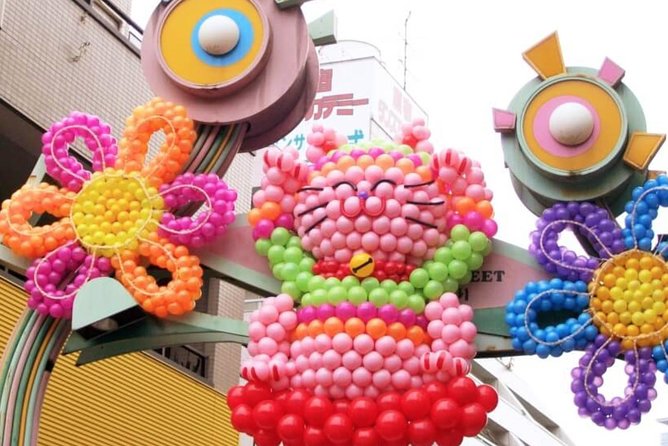
- Max 10 people means you actually move as a group and get attention when you ask questions
- 5 food stops + dessert + 1 drink takes the guesswork out of what’s worth eating
- Omotesando + Harajuku gives you fashion-and-design contrast, not just one loud street
- Kawaii shops as waypoints (LINE FRIENDS, Kiddyland, Daiso, and more) keep the stroll fun
- A hands-on lunch moment lets you try making a fun, local-style comfort food
Why Omotesando and Harajuku Make Such a Great Food Route
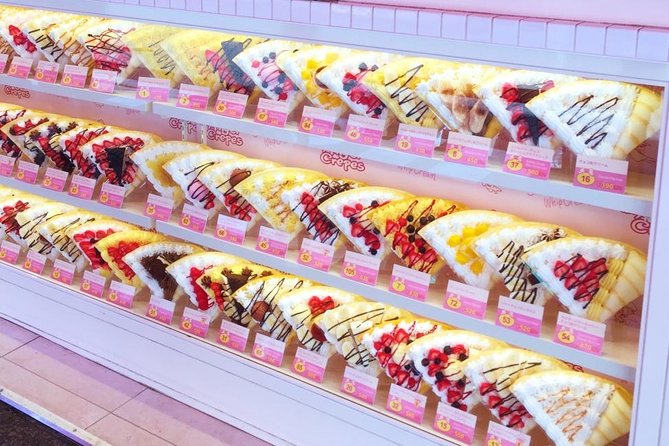
Harajuku is what most people picture: bright storefronts, fashion experiments, and street energy that feels instantly animated. Omotesando sits right beside it, but the vibe shifts—cleaner lines, designer names, and a more architectural feel. The clever part of this tour is that it uses that contrast to keep your afternoon interesting: you’re not just walking a straight line of one kind of attraction.
At the same time, this is a food tour, not a shopping spree. The route is built around places you’ll see anyway—then your guide ties each stop to what you can eat there and why that matters. That makes your lunch feel like part of the neighborhood, not an interruption to it.
And yes, the overall theme is kawaii (cute). But it’s not only about Instagram moments. You’ll get a real sense of how Japanese pop culture spills into daily life—through brands, specialty shops, and the way foods get packaged and presented in places like Harajuku’s character retail world.
You can also read our reviews of more food & drink experiences in Tokyo
Price and Value: What $209 Gets You (and What You Don’t)
At $209 per person for about 3 hours, this isn’t the cheapest meal-and-stroll option in Tokyo. The value comes from three places:
- Time savings: You avoid the hard part—figuring out where to go next, what to try at each stop, and whether it’s worth your money. The tour handles the ordering and the flow.
- Food coverage: You get local foods at 5 food stops, plus dessert and one drink. You’re not paying extra for every single item along the way.
- Guided context: The price also buys the storytelling layer—why certain shops are significant, and what you’re seeing in the streets as you walk through Omotesando and Harajuku.
What you don’t get is hotel pickup, and you’ll handle your own transportation. Also, additional drinks or extra food aren’t included—so if you know you’ll want more than one drink, you’ll want to plan for that.
If you like spending your Tokyo time on experiences that reduce decision fatigue, this price usually feels easier to justify.
Small-Group Walking (Max 10) and Why It Matters in Harajuku
Harajuku can be crowded. Even if you love crowds, it can be exhausting when you’re trying to coordinate with your own group while hunting for the next bite. With a maximum of 10 people, you get a better pace and more control.
In a smaller group, your guide can:
- keep you moving through busy areas without losing people,
- adjust if a restaurant line is longer than expected,
- and answer questions without repeating the same thing over and over.
It’s also family-friendly in a practical way. One of the standout points from real-world experience is that the guide stays patient even with a toddler. That matters here, because you’re walking and stopping at several storefronts.
You do want moderate physical fitness—this is a walking tour with a handful of stops. If you’re coming straight from a long travel day, just keep your energy in mind.
The Food Moment: Lunch as a Pop-Culture Experience
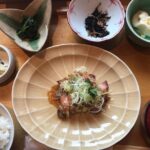
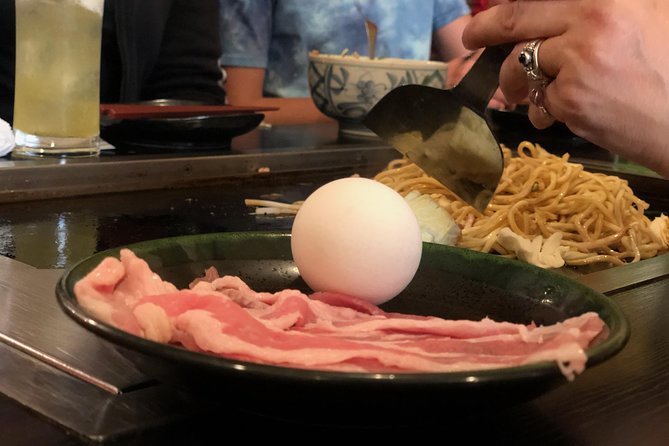
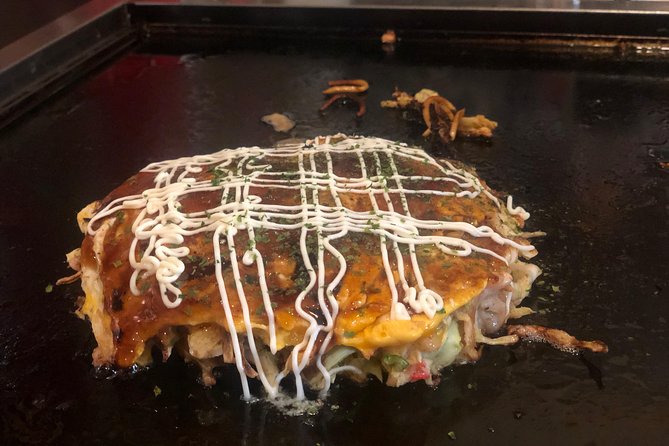
One of the most fun parts of the format is that your lunch isn’t treated like a generic sit-down meal. The tour frames lunch as part of the pop-culture environment, described as a “only in Japan” lunch inside a pop-culture art setting. That turns lunch into an event, not just calories.
Even better, your lunch includes a hands-on piece. You’ll get a chance to try making a traditional “fun soul food” that’s popular with locals. The exact technique isn’t spelled out in the tour details, but the promise is clear: you’re doing more than watching. For families and food-curious travelers, that interaction tends to be the part people remember.
If you’re the type of traveler who loves food but gets bored with tours that only point at menus, this format helps. You get both the taste and the small activity that makes the meal feel unique to Japan.
Stop-by-Stop: From Nescafé Harajuku to Takeshita Street Sweets
This tour runs from 11:30 am to around 3 hours later, starting at the Nescafé Harajuku area and finishing at Harajuku Station on Takeshita dori. You’ll explore back streets as well as the more famous shopping corridors, which keeps the experience from feeling like a parade of the most obvious landmarks.
A few more Tokyo tours and experiences worth a look



Stop 1: Nescafé Harajuku — Meeting Point and Neighborhood Warm-Up
You start at Nescafé Harajuku, meeting in front of the parking sign. The first minutes are about getting your bearings. Even if you’ve never been to Harajuku before, this helps you understand the street layout and how the day will flow.
From there, you’ll move into Harajuku and Omotesando with a local expert. This opening stop matters because it sets the pace: you’re not wandering in the dark trying to decide what to do first.
Stop 2: Omotesando Hills — A Taste of Style and Design
Omotesando Hills is a useful stop because it shifts you out of pure Harajuku chaos. You’ll get that more design-focused side of the neighborhood, which makes the later candy-and-character stops feel even more playful by comparison.
You might not think of this as a “food stop,” but it supports the tour’s rhythm. You’re building a mental map of where you are, then returning to the food part when the day hits its main sampling moments.
Stop 3: Kiddyland — Character Retail That Feels Like a Candy Store
Then you hit Kiddyland, which is a great example of why this tour works for people who like cute culture but don’t want to only browse. This stop is a shortcut into the character retail world that defines a chunk of Harajuku’s identity.
Even if you just walk through and look, you start to understand the visual language: bright packaging, collectible items, and themed goods everywhere. And because this is still a guided food tour, the character shop energy supports what comes next.
Stop 4: Omotesando — Antenna Shops and Regional Foods
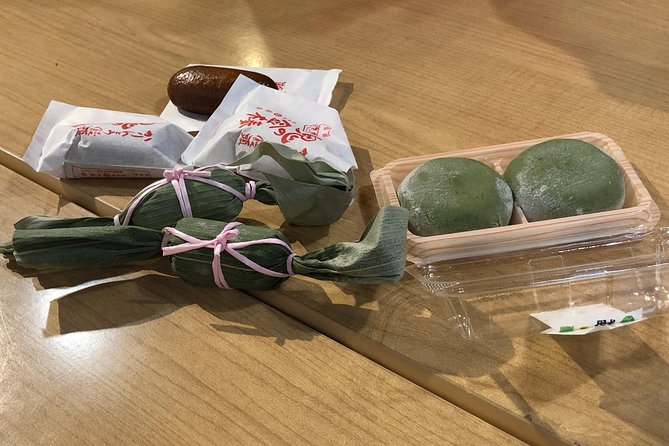
Now the tour turns more purposeful: Omotesando with an expert guide. This is where you get antenna shops and a chance to try regional foods.
Antenna shops are one of my favorite Tokyo concepts because they act like mini windows into other parts of Japan. Even though you’re standing in a fashion district, you’re sampling flavors that have a home somewhere else in the country. That’s the kind of food context you can’t easily recreate by accident.
This is also a smart stop for families. Regional snacks tend to be easier to share, sample, and compare.
Stop 5: LINE FRIENDS Flagship Store HARAJUKU — Pop Culture as a Place to Eat
Next up is the LINE FRIENDS Flagship Store HARAJUKU. This is the kind of stop where the branding is the attraction, but it’s also tied into food. You’re walking through a major character retail world with an explanation of what the area is like and why it draws people.
It’s a reminder that kawaii culture isn’t only about toys. In Japan, characters often show up in food packaging, desserts, and themed items—so your snacks match the visual world you’re seeing outside.
Stop 6: Cat Cafe Mocha — For the Love of Cute Animals
The tour includes Cat Cafe Mocha as a stop. Even if you’re not planning a full cat café visit (the tour details don’t promise extra seating time), it’s a recognizable stop that fits the theme.
This is another moment where the tour helps you connect dots: you don’t just see a storefront, you understand it as part of the broader Harajuku ecosystem where cute culture becomes a full-blown experience.
Stop 7: Daiso Harajuku — Affordable Finds Between Bites
Then you’ll stop at Daiso Harajuku. Again, it might not sound like a food stop on paper, but it works because it’s Harajuku: fast, cute, and everywhere. Plus, it gives you a chance to see how Japanese travelers and locals stock up on affordable daily items.
If you like souvenirs but don’t want to overspend, this kind of stop is useful. And since the tour keeps your day structured, you’re not stopping randomly to browse.
Finish: Wolfgang Puck Express on Takeshita Street — Trendy Sweets and Pictures
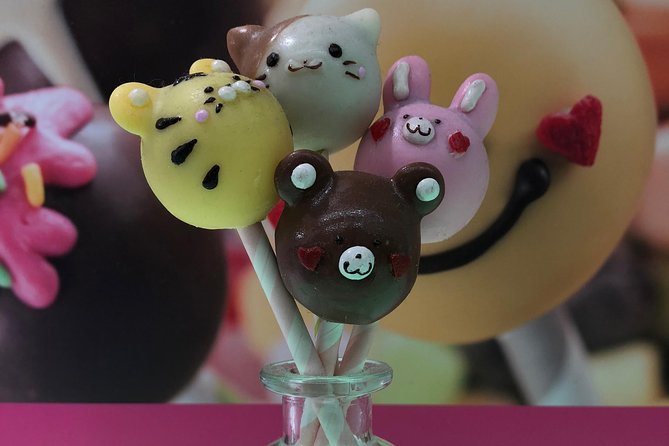
You end near Takeshita Street at Wolfgang Puck Express Harajuku, where the tour’s focus turns to trendy, colorful sweets. This last stop is designed for payoff: you’ve walked your way through Harajuku’s character retail world, then you finish with sweets that look as good as they taste.
It’s also a practical landing spot because you finish at Harajuku Station, at the top of Takeshita dori in front of the lower entrance. That makes it easy to keep moving after the tour.
Dietary Fit: Vegan/Vegetarian Options, but Know the Gluten Situation
The tour is listed as vegan, vegetarian, and pescetarian friendly. That’s a big deal for Tokyo food tours, where meat and dairy assumptions are common.
Gluten-free travelers should take extra care: it’s not recommended for gluten-free. That doesn’t mean you can’t eat anything there, but the tour is not designed around gluten-free needs, and you should avoid assuming safe substitutions will be available at each stop.
If you eat dairy-free and don’t rely on gluten-free menus, you should feel more comfortable. If gluten is a hard requirement, I’d treat this tour as a likely mismatch.
Family-Friendly Means Real-World Pace, Not Just Marketing
This experience is described as family-friendly, and the practical indicator is how guides handle real situations. In particular, Hannah was noted for being knowledgeable and extremely patient with a toddler while still delivering the tour’s structure.
That’s what you want to hear. A family-friendly tour should do two things at once:
- keep the group moving,
- without shutting the doors on kids’ needs.
Since you’re making multiple stops and walking through busy areas, this kind of temperament matters as much as the food itself.
Also, kids must be accompanied by an adult, and if a child is 10 and above, a passport information copy is required. If you’re traveling with kids, check that requirement before the day of.
How to Get the Most Out of Your Kawaii Food Tour
You’ll enjoy this most if you go in with the right mindset.
First: treat it like a guided food crawl through pop-culture neighborhoods. You’re there to sample, learn, and walk—not to shop for hours or to plan every snack in advance.
Second: wear comfortable shoes. You’re walking around Harajuku and Omotesando for about 3 hours. It’s not marathon distance, but Tokyo sidewalks plus storefront stops add up.
Third: come hungry, but not desperate. You’ll have lunch and dessert built into the schedule, plus one drink. If you’re tempted to add more snacks on top, plan for it so you don’t end up feeling stuffed before the best part.
So, Should You Book This Tour?
If you want a fun, structured way to eat your way through Harajuku and Omotesando—with a mix of sweets, pastries, and local-style bites—this is a strong choice. The small group size, the guided storytelling, and the fact that lunch includes a hands-on moment are the big reasons I’d recommend it.
Book it if:
- you like kawaii pop-culture settings,
- you want to avoid decision fatigue,
- you can handle moderate walking,
- and you’re vegan/vegetarian/pescetarian (and comfortable with what’s offered for those styles).
Think twice if:
- you’re gluten-free and need strict handling,
- you dislike crowds or long walks,
- or you’re traveling with timing pressure that can’t absorb a flexible restaurant stop schedule.
If your goal is one memorable afternoon that feels uniquely Tokyo, this tour is built for exactly that.
FAQ
How long is the Kawaii Food Tour of Harajuku Tokyo?
It lasts about 3 hours.
What is the group size limit?
The tour has a maximum of 10 travelers.
Where do I start and finish?
You start at 1-chōme-22-8 Jingūmae, Shibuya, Tokyo 150-0001, and you finish at Harajuku Station, at the top of Takeshita dori in front of the lower entrance to Harajuku station.
What’s included in the price?
The price includes a local guide, local foods at 5 food stops, dessert, and 1 drink.
Are hotel pickup and drop-off included?
No, hotel pickup and drop-off are not included.
Is the tour suitable for vegetarians or vegans?
Yes. The tour is listed as vegan, vegetarian, and pescetarian friendly.
Is it recommended for gluten-free travelers?
No. It’s not recommended for gluten-free.
What if it rains or weather is bad?
The experience requires good weather. If it’s canceled due to poor weather, you’ll be offered a different date or a full refund.