REVIEW · TOKYO
Shibuya All You Can Eat Best Food Tour The Original One in Tokyo
Book on Viator →Operated by The Washoku Club Culture and Food Tours · Bookable on Viator
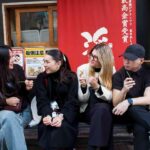
Shibuya food, street lights, and a plan. This small-group Shibuya tour (max 10) is built to get you off the main route and into local eating corners, with a guide who connects what you’re tasting to how Tokyo nights work. I especially like the variety of Japanese comfort foods you sample and the small group size, which keeps the evening from feeling like a conveyor belt.
Two things I really like: first, the food spread includes sushi, yakitori, yakiniku, takoyaki, and desserts, plus soft drinks and water. Second, the guide team seems to matter a lot. Names like Kato and Hamada pop up repeatedly for being friendly, communicative, and genuinely invested in explaining what you’re eating and why it’s part of Shibuya’s rhythm.
One consideration: the tour also includes big, famous landmarks like Shibuya Crossing and busy shopping stops like Shibuya 109 and MEGA Don Quijote. If you want a purely food-only evening with zero sightseeing, this might feel like more walking and fewer long restaurant hangs than you pictured.
In This Review
- Key things that make this Shibuya food tour different
- Shibuya food stops you can’t spot on your own
- Small group pacing: from Hachiko to a 4-hour food walk
- What all-you-can-eat really means here (and what’s included)
- Shibuya 109: street-level bites plus izakaya energy
- Nonbei Yokocho (Drunkard’s Alley): the tiny-bar lane
- Shibuya Crossing and photo time without the chaos
- MEGA Don Quijote after dark: snacks, sweets, and everything else
- Price and value at $205: how to decide if it’s worth it
- Who this Shibuya tour suits best
- Should you book this Shibuya All You Can Eat tour? My quick verdict
- FAQ
- How long is the Shibuya all-you-can-eat food tour?
- What’s the group size limit?
- How much does the tour cost?
- Where do I meet the tour?
- Does the tour include food?
- Are drinks included?
- Is alcohol included in the tour price?
- Is there a mobile ticket?
- What does the tour cover besides food?
- Where does the tour end?
Key things that make this Shibuya food tour different
- Max 10 people means more time for questions and smoother restaurant seating
- Food variety across styles: grilled skewers, yakiniku, sushi, takoyaki, plus desserts
- Nonbei Yokocho (Drunkard’s Alley) stop gives you a real nightlife alley feel
- Shibuya Crossing photo time is quick and group-friendly, not a free-for-all
- Shibuya 109 and MEGA Don Quijote add a late-evening “Tokyo everywhere” shopping-energy angle
- Soft drinks and water are included, so you’re not doing constant add-on math
Shibuya food stops you can’t spot on your own
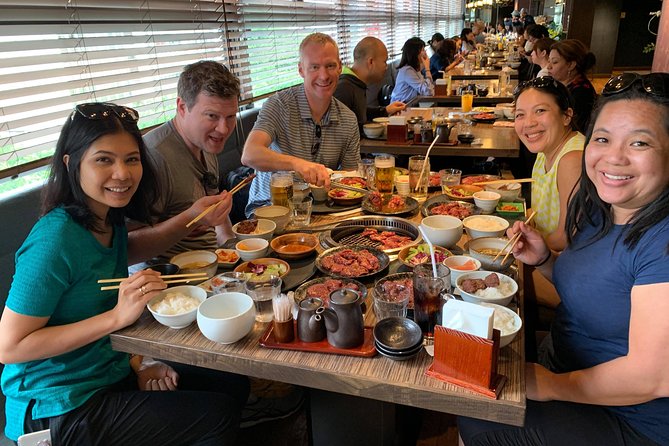
Shibuya is one of those areas where you can easily walk in circles. The sidewalks are packed, menus are in Japanese, and the best “where should we eat” choice often comes down to which tiny doorway you notice first. This tour solves that with a simple idea: you follow a guide into regular local-eater zones and you eat enough to leave full and satisfied, not just snack-sated.
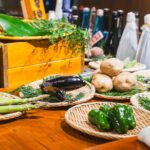
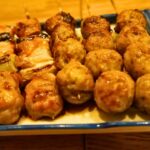
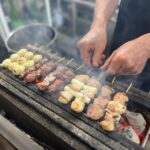
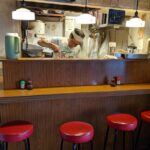
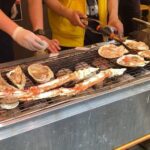
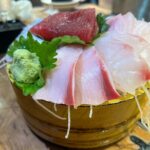
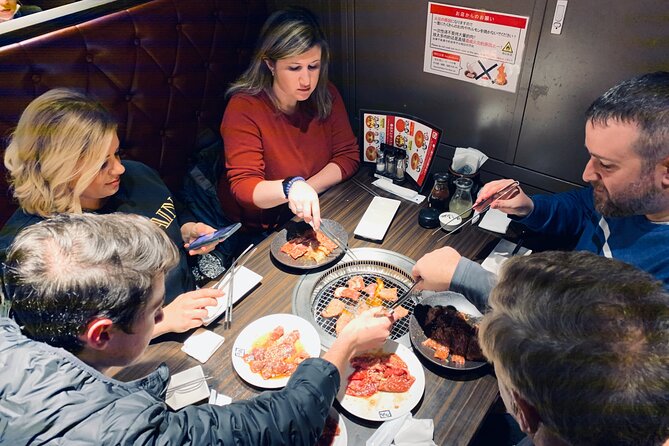
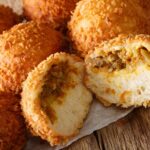
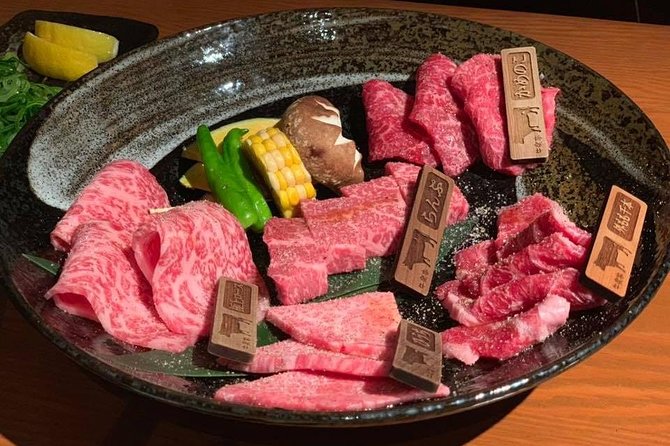
What helps is the tour’s focus on multiple food styles, not one signature dish. You’ll get taste-sized helpings that let you compare textures and flavors across Japanese categories: raw-and-simple (sushi), grilled-and-saucy (yakitori), meat-at-the-table (yakiniku), and street-food comfort (takoyaki). Add desserts and it becomes a full “evening meal” experience even if you’re not booking separate dinner plans.
I also like that the tour leans into culture, not just food. Shibuya Crossing is famous, sure. But the more interesting parts are the alleyways and side streets, where Tokyo nightlife looks nothing like the big, open views people expect. When your guide explains what you’re seeing and tasting, the night turns into something you can actually remember instead of just another plate you ate while walking.
The biggest payoff is confidence. After this, you’ll know how to navigate Shibuya food streets on your own the next night, because you’ve learned the “pattern” of where locals eat, not just where tourists stand.
You can also read our reviews of more food & drink experiences in Tokyo
Small group pacing: from Hachiko to a 4-hour food walk
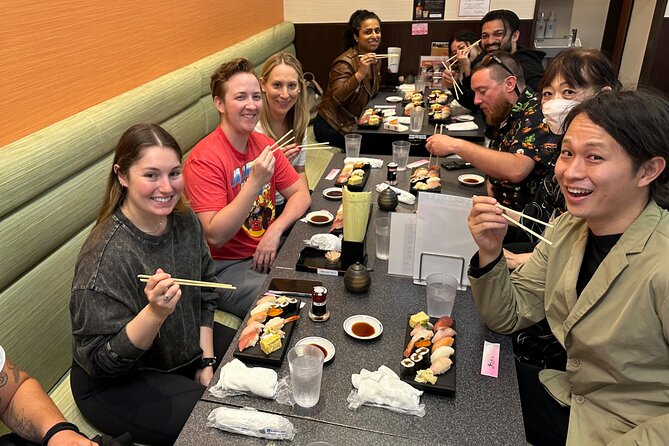
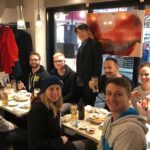
The rhythm of this tour matters. You’ll start at the Hachiko Statue area (2 Chome-1 Dogenzaka, Shibuya). From there, you spend roughly 4 hours moving through the neighborhood, with a maximum of 10 people so the schedule can stay tight without feeling rushed.
Because the group is capped, you’re more likely to get quick answers while you’re walking—how to read a menu, what a dish is doing differently, or why a place feels popular. The downside of small groups is that your experience can vary slightly based on the guide and the actual group mix. Still, the overall format is consistent: you’ll hit a mix of street scenes and food stops, then return back to the start point.
Timing is broken into clear chunks. You’re allotted short windows for the sight stops:
- Shibuya 109 gets a longer look for street food and casual izakaya-style energy (about 45 minutes).
- Nonbei Yokocho is a focused alley exploration (about 30 minutes).
- Shibuya Crossing is quick photo time (about 15 minutes).
- MEGA Don Quijote gives you shopping-mall stamina (about 30 minutes).
That matters because Tokyo crowds can drain you fast. This pacing keeps you from spending half your trip stuck at one spot, and it helps you eat with less waiting time.
If you’re planning your trip day, I’d treat this as a standalone evening activity. You’ll come hungry, you’ll get multiple bites, and you’ll likely be done eating by the last part of the walk.
What all-you-can-eat really means here (and what’s included)
The name is a little marketing-y, but the structure makes sense. You’re not just getting one huge buffet plate. You’re sampling 4 to 5 food stops chosen by the guide, with a menu that’s clearly built around classic Shibuya-friendly Japanese foods: sushi, yakitori, yakiniku, takoyaki, and desserts.
Included with the food:
- 2 soft drinks and water
- Desserts
- Professional guide
- A walking culture route across key Shibuya areas
Alcohol isn’t included, but it’s available for purchase during the tour. That’s useful if you want the option, not the obligation.
Here’s how I’d frame the value. At $205 per person, you’re paying for three things at once:
- Access to restaurants and ordering that would take you longer to figure out on your own.
- Multiple tastings that cover different styles of Japanese food (so you don’t regret booking because you only liked one dish).
- A guide who helps you connect what you’re eating to local habits, especially around nightlife areas.
If you already eat Japanese food confidently and you like picking your own places, you might decide to do a DIY meal plan. But if you’d rather spend your time wandering Shibuya smarter and eating more diverse bites in one go, this setup is built for that.
Also, the “come hungry” idea is real. The tour feeds you across different stops, and the goal is that you leave full.
Shibuya 109: street-level bites plus izakaya energy
Stop 1: Shibuya 109 (about 45 minutes) is a classic Tokyo anchor: bright storefronts, thick foot traffic, and that sense that shopping and eating happen in the same breath. It’s described as a local street area where thousands of local eaters go for variety food and Japanese izakaya-style options.
Why this works on a food tour: it sets context immediately. You get a sense of the modern Shibuya “during the evening” vibe before you slip into smaller lanes. It also gives your guide a place to explain how food culture shows up in everyday shopping zones, not just in formal sit-down restaurants.
What to expect here:
- Lots of visual noise, fast movement, and people everywhere
- Plenty of opportunities for casual food browsing
- A good “warm-up” stop before the tour’s alley and dining sections
Potential drawback: Shibuya 109 is crowded. If you’re sensitive to crowds or you’d rather start with quieter streets, you might find the first segment a bit intense. Still, the route is planned so you don’t stay stuck there forever.
Practical tip: wear comfortable shoes. This is a walk-and-navigate kind of evening, not a “sit and be carried” tour.
Nonbei Yokocho (Drunkard’s Alley): the tiny-bar lane
Then the tour turns the volume down in the best way. Stop 2: Shibuya Nonbei Yokocho (about 30 minutes) is described as a hidden-style alley in Shibuya that many tourists miss. It’s also known as Drunkard’s Alley in some discussions, which fits the vibe: a narrow corridor of small bars and tight spaces where groups fit in close.
This is one of the key cultural contrasts in the tour. Shibuya 109 feels like the big public face. Nonbei Yokocho feels like the local after-hours side door. Your guide’s job here is to show you how people actually spend an evening: not just where to eat, but how they hang out between drinks and bites.
Why you’ll likely remember this stop:
- It’s visually distinct from the main streets
- It gives you a sense of Tokyo nightlife layout (small, close, and social)
- It’s the kind of place you’d walk past without knowing what it is
What I’d watch for: it’s an alley experience. If you have trouble with tight spaces or standing shoulder-to-shoulder, go slowly and keep your group together. The upside is that alley lanes are where photos and real “Tokyo at night” moments happen.
A few more Tokyo tours and experiences worth a look

Shibuya Crossing and photo time without the chaos
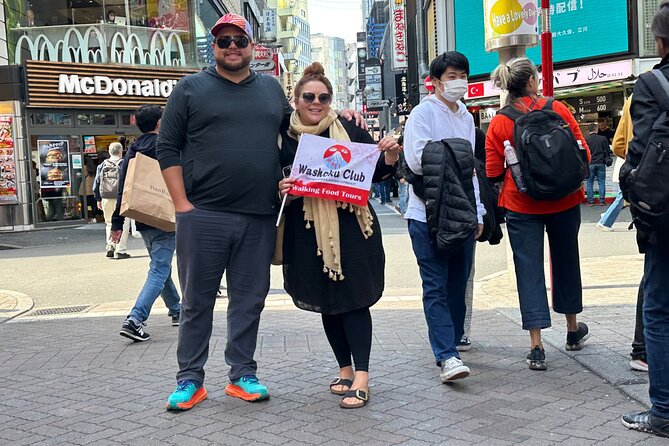
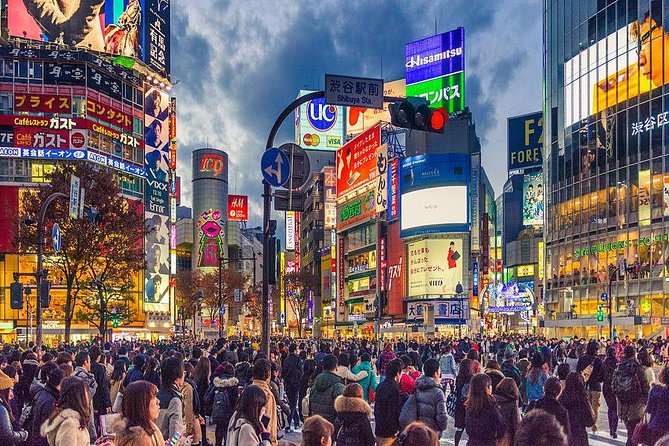
Stop 3: Shibuya Crossing (about 15 minutes) is the world’s most famous intersection, and the tour keeps it short on purpose. You’ll get time to lose yourself in the heart of it and take a quick happy picture—without turning it into a long wait.
Here’s what this stop is good for, even if you’ve seen Crossing videos already:
- It anchors your mental map of Shibuya
- It reminds you why crowds can move like a coordinated machine
- It gives your guide an easy landmark for the next turn
The drawback is also obvious: this is still a landmark, and it can be crowded. But since the time window is limited, you’re less likely to feel stuck.
Practical tip: take your photo, then follow the group right away. In Shibuya, the crowd flow is real. If you drift, you can lose time fast.
MEGA Don Quijote after dark: snacks, sweets, and everything else
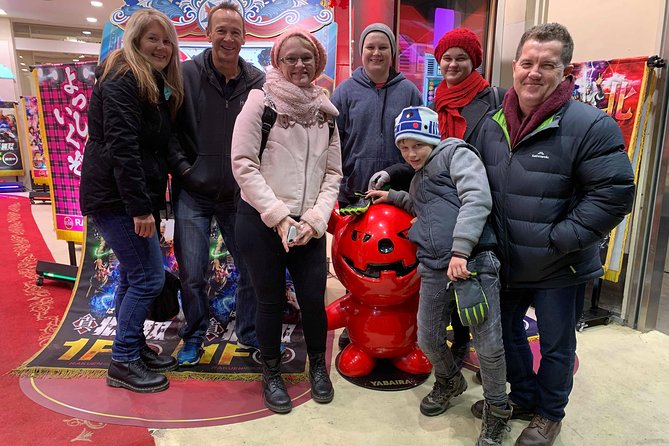
Next is Stop 4: MEGA Don Quijote (about 30 minutes). This is where the tour shifts from eating-energy into “Tokyo retail culture” for a bit. The store is described as one of the busiest shopping malls in Japan and open 24 hours, selling everything from sweets and cosmetics to food and even electronics.
This stop matters on a food tour because it shows a different kind of convenience: Tokyo snacks and packaged goods as part of the night routine. Even if you don’t plan to buy much, it’s a useful reality check. You’ll see what people pick up for the road, for late-night cravings, or for small gifts.
What to expect:
- Bright sections, heavy foot traffic, and lots of choice
- A shopping experience you can treat as a quick browse
- Easy access to “grab-and-go” thinking after the meal stops
Potential drawback: if you dislike shopping malls or you’d rather stick strictly to restaurants, this part could feel like an extra. Still, it’s short and it’s open late, which fits Shibuya’s night schedule.
Price and value at $205: how to decide if it’s worth it
At $205 per person, you’re spending more than a typical single dinner in Tokyo. The right question isn’t “is food expensive in Japan,” because the answer is: sometimes, and sometimes not. The question is whether you’re buying a managed food education.
This tour’s value comes from:
- Multiple tastings across several styles of Japanese food
- Desserts plus drinks included (2 soft drinks and water, plus dessert)
- A professional guide who explains culture alongside what you’re eating
- Small-group pacing so you’re not just herded through stops
I’d call it worth it if:
- You’re new to Shibuya and don’t want to gamble on where to eat
- You want variety (sushi + yakitori + yakiniku + takoyaki in one outing)
- You prefer guidance over hunting menus and translating on your own
I’d think twice if:
- You already have specific restaurants booked and want total control over your schedule
- You don’t like crowded shopping areas because the tour includes Shibuya 109 and MEGA Don Quijote
- You have very strict preferences and you want to know every dish in advance (this tour includes 4–5 food stops, but it’s still guided by what the guide chooses)
One more value note: the tour ends back at the meeting area, and it’s built around walking. That makes it easy to plug into your evening without complicated logistics.
Who this Shibuya tour suits best
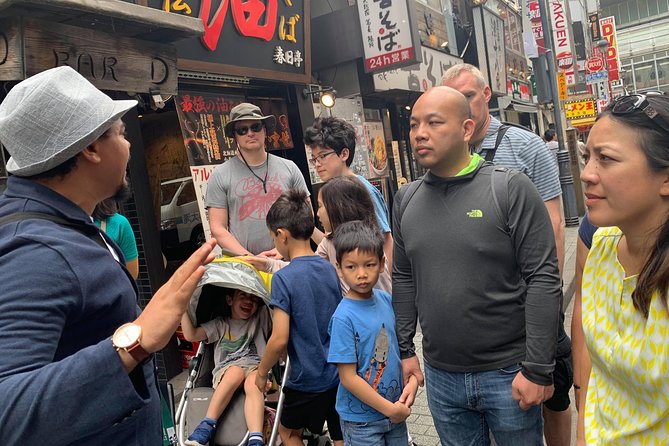
This tour is built for first-timers who want to feel their way through Shibuya with help. It’s also great if you like eating styles you can’t easily order alone. The lineup hits a lot of “Japan starter pack” dishes, but spread out so you don’t get stuck with one category.
It’s especially a good fit if you:
- Want an evening activity that mixes food and Tokyo street culture
- Prefer small group interactions instead of a large bus-group vibe
- Like lively neighborhoods but don’t want to plan every turn
The tour also fits families and mixed ages in general, since the overall format is walkable and the guide is there to keep you on track. If you’re picky about crowd level, you may want to take breaks during photo stops or be strategic about when you eat.
Also, if your date ends up with fewer people than the maximum, the experience can feel more personal simply because there’s more attention available per person.
Should you book this Shibuya All You Can Eat tour? My quick verdict
Book it if you want a guided Shibuya night that delivers real variety: sushi, yakitori, yakiniku, takoyaki, desserts, plus drinks. For $205, you’re buying convenience, guidance, and a full tasting arc, not just a single meal.
Skip it (or consider a different food tour) if your perfect Tokyo evening is quiet, restaurant-only, and tightly pre-planned. This one includes big crowd magnets like Shibuya Crossing and major shopping stops, even though it’s designed to add the alley magic too.
If you’re sitting on the fence, my practical advice is simple: come hungry, wear comfy shoes, and treat the sightseeing stops as “navigation landmarks” between tastings. When you do that, this tour usually lands as a memorable Shibuya introduction.
FAQ
How long is the Shibuya all-you-can-eat food tour?
It runs for about 4 hours.
What’s the group size limit?
The tour is small-group with a maximum of 10 travelers.
How much does the tour cost?
The price is $205.00 per person.
Where do I meet the tour?
You meet at the Hachiko Statue, 2 Chome-1 Dogenzaka, Shibuya, Tokyo 150-0043, Japan.
Does the tour include food?
Yes. You’ll have 4 to 5 food stops chosen by your guide, including sushi, yakitori, yakiniku, takoyaki, and desserts.
Are drinks included?
Yes. You get 2 soft drinks and water.
Is alcohol included in the tour price?
Alcoholic beverages are not included, but they are available to purchase.
Is there a mobile ticket?
Yes, the tour uses a mobile ticket.
What does the tour cover besides food?
It’s also a city walking and culture tour with stops that include Shibuya 109, Shibuya Nonbei Yokocho, Shibuya Crossing, and MEGA Don Quijote.
Where does the tour end?
It ends back at the meeting point (the Hachiko Statue area).